
Table of Content
Storefront digital signage is the modern update of traditional shopfront displays. It turns ordinary windows and doors into moving screens that inform, attract, and convert people walking by into paying customers. In a highly competitive retail market, a simple static sign or poster is no longer enough. Businesses, especially small and independent retailers, are always looking for new ways to stand out, connect with shoppers, and increase sales. Digital signage offers a strong answer, using electronic displays to show eye-catching content such as ads, product details, promotions, and even entertainment, all controlled with high flexibility and ease.
This guide explains everything you need to know about storefront digital signage: what it is, how it works, its main benefits, the different types available, and smart content ideas to get the best results. It also covers key points to think about before installation, the costs involved, and real examples from retailers. By the end, you’ll clearly see how this technology can become a key part of your marketing, helping you reach customers in new and engaging ways.
What is storefront digital signage?
Storefront digital signage means using electronic displays placed at the entrance or inside the window of a store. These are much more than regular TVs; they are full systems built to grab attention and communicate clearly with people outside your shop. Unlike printed posters or banners, digital signage shows moving content that you can change in real time, giving you a level of flexibility and speed that printed signs cannot match.
These displays can be simple screens that show bright images or more complex interactive setups that let customers tap and explore. They usually run on a media player that holds and plays the content, all controlled through a Content Management System (CMS). This system lets retailers create, schedule, and publish different visual messages, turning their storefronts into engaging visual experiences.
How does digital signage differ from traditional signage?
The difference between digital and traditional signage is similar to the difference between a printed photo and a video. Traditional signs, like posters, flyers, and physical window setups, are fixed. Once you print and install them, changing them takes time and money: new designs, printing, shipping, and manual installation. Because of this, they can quickly fall behind and stop matching current offers, stock levels, or seasons.
Digital signage, by contrast, gives you a level of flexibility that print cannot. You can update content with a few clicks, much like posting something new on social media. This lets retailers react fast to stock changes, price updates, or new promotions. Moving images, live data, and video are much better at catching the eye than static prints, turning your storefront into a “moving billboard.” Digital displays can also show full product ranges and key messages in a clear and attractive way that paper signs struggle to match.
Where is digital signage usually placed on storefronts?
Placement of digital signage on storefronts is planned to get maximum visibility and impact. The storefront is the gateway to your store and a prime chance to catch someone’s attention. That’s why window displays are a common choice: screens there can pull people in with strong visuals before they even walk through the door. For bright windows, high-brightness screens are often used so they can still be seen in strong sunlight.
Digital signs are also often placed right at the entrance, acting as a friendly welcome and giving quick information. Outdoor LED and LCD panels are used on the exterior, built to handle all kinds of weather. Interactive kiosks may sit just outside the door or in a busy area near the entrance, inviting people to engage with the screen. Large displays and video walls can take up a big part of the storefront, creating an impressive first view. The main goal is to place screens where they fit the flow of people, the viewing distance, and the best viewing angle, usually at eye level and at a right angle to foot traffic.
Key benefits of storefront digital signage for retailers
Storefront digital signage is a smart business move that brings many benefits for shops of all sizes. It helps draw in more people, makes operations easier, and supports your brand image, all of which affect sales and how customers see your store.

Increases foot traffic and captures attention
One of the strongest benefits of storefront digital signage is its power to increase foot traffic. In a time when people are used to looking at screens, moving visuals naturally attract attention, making it more likely that someone walking by will pause and look. Research shows that digital signage can increase foot traffic by up to 17%, which is a key number for any physical store. A strong digital display can turn casual window shoppers into people who walk in, instead of just passing by.
Static posters often blend into the background of a busy street, but digital signs stand out thanks to movement and change. They can show products in high definition, with video and lifestyle images that show how items can be used. This not only draws attention but also keeps people looking longer, which raises the chance that they’ll decide to step inside. The fresh and interactive feel of digital screens makes a store look more current and appealing.
Strengthens brand storytelling at the street level
Your storefront is often a shopper’s first real-world contact with your brand, so it’s a key moment to tell your story. Digital signage lets you share that story in a rich and engaging way right on the street. Instead of relying on a logo and a few photos, you can show product demos, behind-the-scenes clips, user-generated content (UGC), and even local event news. This mix of video, images, and text helps create an emotional link with people within seconds.
By keeping colors, fonts, and messages consistent on your screens, digital signage makes your brand identity stronger. It helps you set the feel of your store-calm and relaxed with gentle visuals, or lively and energetic with fast-moving content. This kind of presentation raises the perceived value of your brand even before someone walks through the door, building trust and recognition. It also lets you bring your online presence into your physical space, creating one clear story across both.
Displays dynamic and real-time content
The major strength of digital signage is that you can change content quickly and show live information. Billboards and printed posters are slow and costly to update, but digital displays can be changed almost instantly. This gives retailers full control over what shows on screen and when it appears.
This speed is especially helpful in retail. You can adjust content for different days, switch product details as stock changes, or show messages linked to the weather-like cold drinks on a hot day or warm dishes when it’s raining. You can push offers on higher-margin products, show stock countdowns, or highlight items that need to sell fast. This real-time adjustment keeps your content fresh and relevant and helps drive extra sales for featured products.
Boosts operational efficiency and reduces manual updates
Digital signage doesn’t only support marketing; it also helps your day-to-day operations. Updating traditional signs means designing, printing, shipping, and physically installing new materials. This takes time, costs money, and often results in signs that are out of date before they are replaced.
With a good Content Management System (CMS), you can update digital signs instantly and remotely, even across many branches. This centralized control makes communication faster, keeps your branding consistent, and removes much of the manual work involved in swapping out signs. You also cut printing and shipping costs and produce less waste. Staff can spend more time helping customers and less time handling paper signs, which lifts productivity.
Elevates perceived value of your store
A storefront with modern, moving digital displays often feels more premium and professional. Today’s customers expect some level of digital experience, and digital signage meets that expectation. It shows that your business is current, cares about quality, and invests in customer experience.
Vivid, engaging content on screens strengthens your brand image and helps you stand out from competitors who still rely heavily on static, low-impact displays. This upgrade in look and feel doesn’t just help attract new customers; it can also improve satisfaction and encourage people to come back. A store that looks fresh and up to date naturally builds more confidence among shoppers.
Popular types of storefront digital signage
Storefront digital signage comes in many forms, so you can choose what fits your goals, budget, and look. Each type uses digital technology in a different way to catch attention and share key messages with your audience.
Window displays with digital screens
Window displays with digital screens are one of the most common and effective options. Screens are mounted facing outward in the shop window, speaking directly to people walking by. They turn normal window shopping into a lively video experience, showing products, offers, and brand messages in high definition.
For windows with strong sunlight, high-brightness screens (rated in nits-often 2,500, 3,500, or more) are important so the image remains clear. You can use these screens to promote daily deals, new products, or simply show attractive visuals that pull people closer. Because the content can change all the time, your window always feels fresh and up to date, unlike static posters that quickly feel old.
Outdoor LED and LCD panels
For stores that want to make a bigger impact, outdoor LED and LCD panels offer a strong option. These units are built for outdoor use and can handle rain, heat, cold, dust, and more. Their level of protection is usually shown with an IP rating, which tells you how well they resist dust and water. They also need very high brightness to stay readable in direct sunlight.
Outdoor panels work well as digital billboards to guide people to your store, show prices, explain products, or promote deals. They are especially useful on busy streets, turning the area in front of your store into a moving ad space. Their size and brightness help your store stand out both day and night.
Interactive storefront kiosks
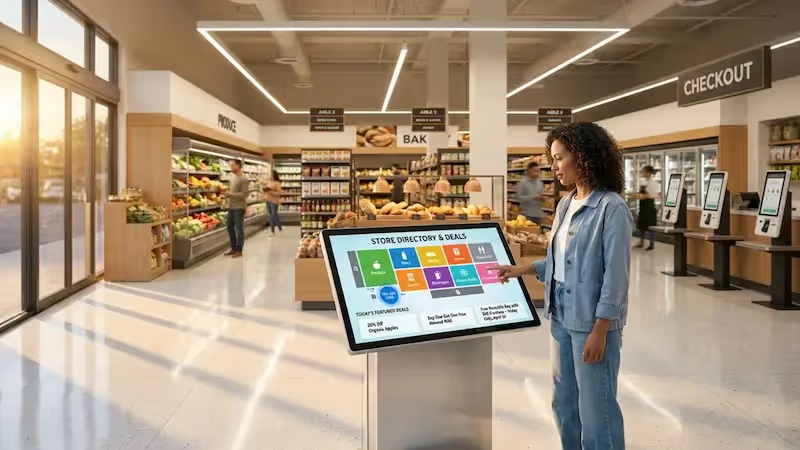
Interactive storefront kiosks let people use touch screens to explore your offer by themselves. These digital displays invite shoppers to browse products, compare models, see finance options, or even try items virtually before entering. They are usually placed just outside the store or inside the main window area.
These kiosks lead to longer interaction and better customer experience. A clothing store could let users scroll the full catalog and see outfit ideas, while a beauty retailer such as Sephora might use virtual try-on tools like ModiFace. This hands-on approach gives people the information they need, makes the experience more fun, and often increases interest and sales.
Video walls and large-format displays
Video walls and large-format displays create a big visual impact. They combine multiple screens into one large surface, often covering much of the storefront. This is perfect if you want a “wow” effect and a look that people will remember.
Retailers use video walls to run brand films, detailed product demos, or artistic visuals that draw attention from far away. The combination of size and smooth motion can completely change how people see your store, giving it a modern and high-value feel. Fashion brands, for example, often use large video walls to show styling tips, fashion shows, or influencer content, connecting physical retail with digital campaigns.

Best content ideas for storefront digital signage
The success of storefront digital signage depends heavily on what you show. The screens are flexible and powerful, but you need the right content to make them work. Here are some strong content ideas that attract attention and drive action:
Promoting daily specials and limited-time offers
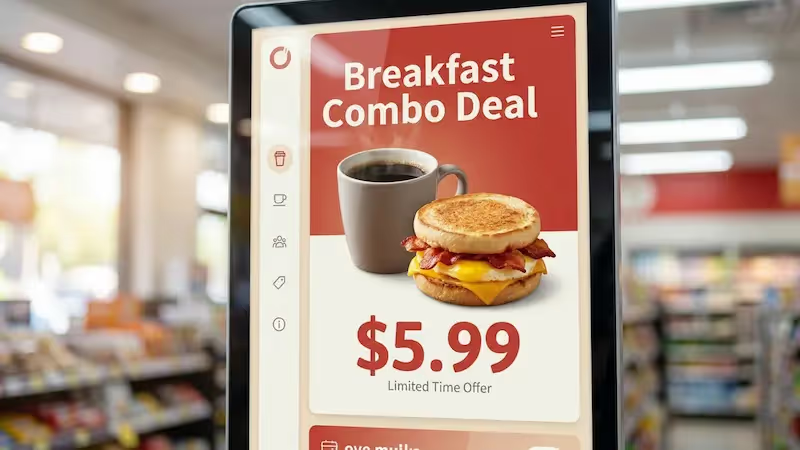
One of the most effective uses of digital signage is to highlight daily deals and short-term offers. Unlike print signs, you can switch these messages in seconds. A coffee shop, for example, can show morning breakfast deals, then switch to afternoon snacks later in the day. A clothing store can launch a flash sale that only runs for a few hours and advertise it instantly in the window.
This fast updating helps build urgency and excitement, which can push people to buy on the spot. You can show countdown timers for happy hours or special events to increase that sense of “buy now.” Clear visuals and prices for selected products can drive extra sales and give people a strong reason to come inside.
Showcasing product videos and demonstrations
Video is a powerful way to show what a product can do. Instead of just showing a photo, you can run product videos and demos directly on your storefront screen. This is especially useful for items that need explanation, like electronics, beauty tools, or home appliances.
Short, looping clips of quick demos, unboxings, or lifestyle scenes can hook people passing by. An appliance store might show a washing machine in use, highlighting key features, while a fashion boutique might show outfits in motion. This gives shoppers a better understanding of each product before they step inside and can increase their interest and willingness to buy.
Displaying social media feeds and customer reviews
Social proof is powerful, and digital signage is a great place to show it. You can stream selected social media feeds and real customer reviews in your window, turning it into a live “wall of praise.” Many customers share photos and comments on Instagram, Snapchat, or Facebook, and seeing those posts on a large screen can be exciting for them and convincing for others.
By carefully choosing posts and reviews, you can highlight real experiences and build trust. This supports your online reputation and makes it visible in your store. It can also drive more people to follow and tag you on social media, growing your audience. Since many shoppers say social media affects what they buy, connecting your screens to these channels can have a real effect on sales.
Advertising in-store events and product launches
Events and new product launches are key moments for any retailer, and digital signage is an ideal tool to promote them. You can use your window screens to announce upcoming workshops, special shopping nights, new product drops, or exclusive offers with bold videos and graphics.
Adding countdown clocks or QR codes for sign-ups makes the message more interactive and helps build buzz. These displays remind people of dates and times and might push them to step in and ask questions or register on the spot. Over time, your storefront becomes a local information point for your brand’s activities, which builds stronger ties with your community.
Weather and time-aware messaging
Some digital signage systems can change what they show based on current weather or time of day. This creates messages that feel highly relevant to people right now.
On a hot day, your screen could switch to showing cold drinks, ice cream, fans, or summer clothing. On cold or wet days, it could promote umbrellas, jackets, soup, or hot drinks. Time-based content can highlight breakfast items in the morning, lunch at midday, and evening items later on. This smart targeting makes your offers feel timely and more appealing, which can lift sales of products that match the moment.
What to know before installing digital signage at your storefront
Setting up storefront digital signage takes some planning. To get good results, you need to understand the technical needs, best placement options, and any rules from local authorities.
Durability and weatherproofing (IP rating explained)
For any outdoor display or screen facing outside, strength and protection from the weather are key. These units must handle rain, heat, cold, dust, and moisture. The Ingress Protection (IP) rating helps you see how well a display or enclosure can cope with these elements.
An IP rating has two numbers. The first number shows the level of protection against solid particles like dust, and the second shows protection against liquids like water. For example, IP65 means the unit is dust-tight and can handle water jets. Choosing screens and housings with the right IP rating and good cooling is important if you want your displays to work reliably all year and avoid expensive repairs or replacements.
Brightness requirements for daylight visibility (measured in nits)
Keeping screens readable in daylight is one of the main challenges for storefront signage. Brightness, measured in nits (candela per square meter), is the key number to look at. Normal indoor TVs, which often have only 200-300 nits, are too dim for sunlit windows or outdoor use.
For bright windows or outdoor locations, you usually need displays with 2,500 to 3,500 nits or more to cut through glare. In shaded areas or indoor arcades, you might manage with lower brightness, but you should still test on site to make sure the image is clear. High-brightness screens protect your investment by making sure your content is actually visible to people walking by.
Location selection and viewing angles
Picking the right spot for your screens is a big factor in how well they work. It’s not enough to just mount a screen anywhere; you need to place it where the most people will see it clearly.
Ideally, displays should be at eye height and facing across the main flow of pedestrians, not parallel to it. You also need to watch for things that might block the view, like street poles, benches, or other signs. Content should be easy to read from both close up and farther away. Screens with low reflection and good anti-glare properties can help keep the image clear. A careful on-site check of viewing angles and walking paths will help you choose the most valuable locations.
Ease of use of the content management system
Even the best screens will fall short if the software to manage them is hard to use. The Content Management System (CMS) controls what appears on your screens and when. If it feels complicated, your staff may avoid using it, and your signs will quickly look out of date.
Choose a CMS with a simple interface, such as drag-and-drop tools, ready-made templates, and clear scheduling features. This lets your team launch updates fast, change content based on time of day, localize messages for different branches, and manage playlists-without needing advanced design or IT skills. A good CMS also offers basic analytics and reports, so you can see which content works best and adjust your campaigns over time.
Local regulations and permit considerations
Before you install outdoor or window-facing digital signage, you need to check the rules in your area. Local governments often have strict guidelines about digital signs, including limits on brightness, how long each image can stay on screen, how much motion is allowed, and the size and location of signs.
Research your local codes early and, if needed, talk to experts or your signage provider. Some vendors, like Nento, help store owners go through these procedures and keep projects within local rules and budgets. Handling this early in the planning process helps you avoid fines, forced removal, or delays once hardware is already installed.
Investment and expected ROI: Storefront digital signage costs
Storefront digital signage involves upfront spending and ongoing costs, but the returns can be strong. When used well, it boosts revenue and improves efficiency, which often leads to a positive return on investment (ROI).
Typical upfront costs (hardware, installation)
Initial costs mainly include hardware and installation. Hardware covers the screens themselves, from commercial LCDs for indoor windows to high-brightness, weather-resistant LED panels for outdoors. Prices depend on size, resolution, brightness, and IP rating. A basic single-screen setup for a small shop might cost around $1,000-$2,500. Larger projects, with multiple screens, video walls, or interactive kiosks, can reach $5,000-$10,000 or more.
You will also need media players, mounting brackets, and possibly protective enclosures for outdoor screens. Installation costs cover fitting the displays, running power and data cables, meeting electrical codes, and making the setup look neat and professional. Many providers include a starter package of branded templates and simple motion graphics in the upfront price to help you begin quickly.
Ongoing expenses (maintenance, content creation)
After installation, you’ll have regular costs to keep your system running and your content fresh. Most providers charge a recurring fee for the CMS, usually per screen or device, often between $10 and $50 per screen each month. This fee covers use of the platform for content scheduling and sometimes reporting.
You’ll also need new content over time. While a good CMS makes updates easier, creating new visuals for seasons, campaigns, and offers will require either an in-house marketer or a designer, or outsourcing to an agency. Maintenance includes remote checks, software and firmware updates, security patches, and hardware servicing to keep everything working well. You should also factor in electricity and data usage for running the screens and downloading content.

How and where ROI becomes visible
ROI from storefront digital signage often shows up in several areas within about 18 months. One clear sign is higher foot traffic, which usually leads to more sales. Studies suggest that digital signage can lift foot traffic by around 17% and average daily sales by about 30% for stores that add it. This happens because digital screens grab attention and influence people at the moment they decide whether to enter.
You’ll also see ROI in faster sales of promo or seasonal stock, as you can move these items to the front of your messaging whenever needed. Operational savings come from printing less and reducing staff time spent changing physical signs. Stronger brand image and a better in-store experience can lead to more loyal customers and a 33% increase in repeat buyers. For higher-priced items, digital signage can increase average basket value by nearly 30%. Put together, increased revenue and lower costs often justify the investment clearly.
Retail success stories: Digital signage in action
The impact of digital signage is clear in many real retail settings, from big brands to small local stores. Here are a few examples of how different retailers use digital signage to improve the shopping experience and drive results.
How Adidas reimagined its retail experience
Adidas has heavily integrated digital tools into its physical stores, especially at its Oxford Street flagship in London. This 26,000-square-foot store has a strong digital feel and gives customers a customized journey at each step. Two types of virtual “fitting rooms” show how digital signage can support shopping.
In one type, RFID-enabled mirrors detect items in real time and show related information on the screen, so customers can see sizes, colors, and details without leaving the fitting room. Another type uses a large screen that lets customers choose different backgrounds, so they can see how clothes might look in real-life settings. These setups make trying on clothes easier, more personal, and more engaging, and they show how digital signage can improve both service and experience.
Innovative product demos at Sephora storefronts
Sephora has used digital signage to solve a common problem in beauty retail: testing makeup in-store. Based on customer feedback, they introduced the ModiFace digital display for virtual makeovers. This tool lets people try makeup on-screen, instead of applying and removing real products on their skin.
This has had a clear impact. Product returns and exchanges have gone down, because customers can see how items will look before buying. Pop-up Sephora corners inside larger stores have also seen higher foot traffic, showing that digital product demos can attract more visitors and give them confidence to buy-especially in categories where “try before you buy” is key.
Nordstrom's dynamic window displays
Nordstrom uses digital signage to make shopping easier and more helpful. A good example is their “Digital Denim Doctor” display, which is built to help customers find the right pair of jeans, a task many find stressful. This screen uses 360-degree product images and clever filters to guide the process.
Shoppers enter their measurements, daily habits, and fabric tastes, and the system suggests jeans that match these inputs. This reduces the need to try on many pairs and shortens the search. By using digital signage as a kind of smart assistant, Nordstrom offers a service that saves time and makes the whole experience smoother.
Small business transformations with digital signage
Digital signage isn’t only for global brands. Small businesses also benefit greatly from it. Affordable setups using smart TVs and simple cloud-based software let independent shops run the same kind of engaging content that big chains use, but on a smaller budget.
Local stores use digital signage to highlight flash sales, show digital flyers, promote local events, or push seasonal products. It helps them communicate clearly, improve the in-store experience, and project a modern image that stands up well against national chains. Many small retailers report earning back their investment in about 18 months through higher sales and better engagement. Easy remote control from a phone or laptop lets owners update content on the go, making it easier to react quickly to changes in demand or stock.
Frequently asked questions about storefront digital signage
Retailers thinking about storefront digital signage often ask similar questions about cost, durability, content control, and permits. Here are clear answers to the most common ones.
What is the average cost of storefront digital signage?
The cost of storefront digital signage can vary a lot, usually from around $1,000 to $10,000 or more. For a small store with one screen, a media player, and access to a simple CMS, the starting range is often $1,000-$2,500, including hardware and installation.
For bigger stores or more advanced setups with multiple screens, interactive touchscreens, video walls, and stronger software features, the budget often rises to $5,000-$10,000 or higher. On top of this, you should plan for monthly CMS fees (around $10-$50 per screen), content creation, and maintenance. Many retailers find that the added sales and time savings help them recover their investment within about 18 months.
How durable are outdoor digital signs against weather?
Outdoor digital signs are built to handle harsh conditions, but their durability depends on the model you choose. The most important measure is the IP rating, which tells you how well the case protects against dust and water. For outdoor use, signs often use enclosures rated IP65 or IP67 and include temperature control systems so they work in both hot and cold climates.
These displays use industrial-grade parts that can stand up to direct sun, moisture, and wide temperature ranges, unlike standard home TVs. They may also have anti-glare coatings and very high brightness to stay visible even on bright days. When picking outdoor signage, choose units made specifically for outdoor use in your type of climate to get long life and stable performance.
Can I manage the content on my own?
Yes. A key benefit of modern digital signage is that most store owners and staff can manage content themselves. Most solutions come with a cloud-based CMS that lets you create, schedule, and change content from any device with internet access.
Many platforms offer drag-and-drop tools and templates, so you don’t need to be a designer or an IT expert. You can upload images and videos, add your logo and colors, set prices, build playlists, and plan content for certain times and days with just a few clicks. This gives you full control over what your screens show and lets you keep messages up to date without hiring outside help every time.
Do I need special permits for digital signage outside my store?
In many places, you will need permits for outdoor or window-facing digital signage. Rules differ from one city or region to another and may cover things like maximum size, placement, brightness levels, how long each image can stay on screen, and what kind of motion or flashing is allowed.
Research your local regulations before you start buying equipment or planning installation. If needed, talk to your signage provider or a local expert; many providers help with the permit process. Taking care of permits early helps you avoid fines, complaints, and the risk of being forced to take your signs down after installation.