Digital Menu Boards for Bars & Pubs


🌍 120+ countries






3
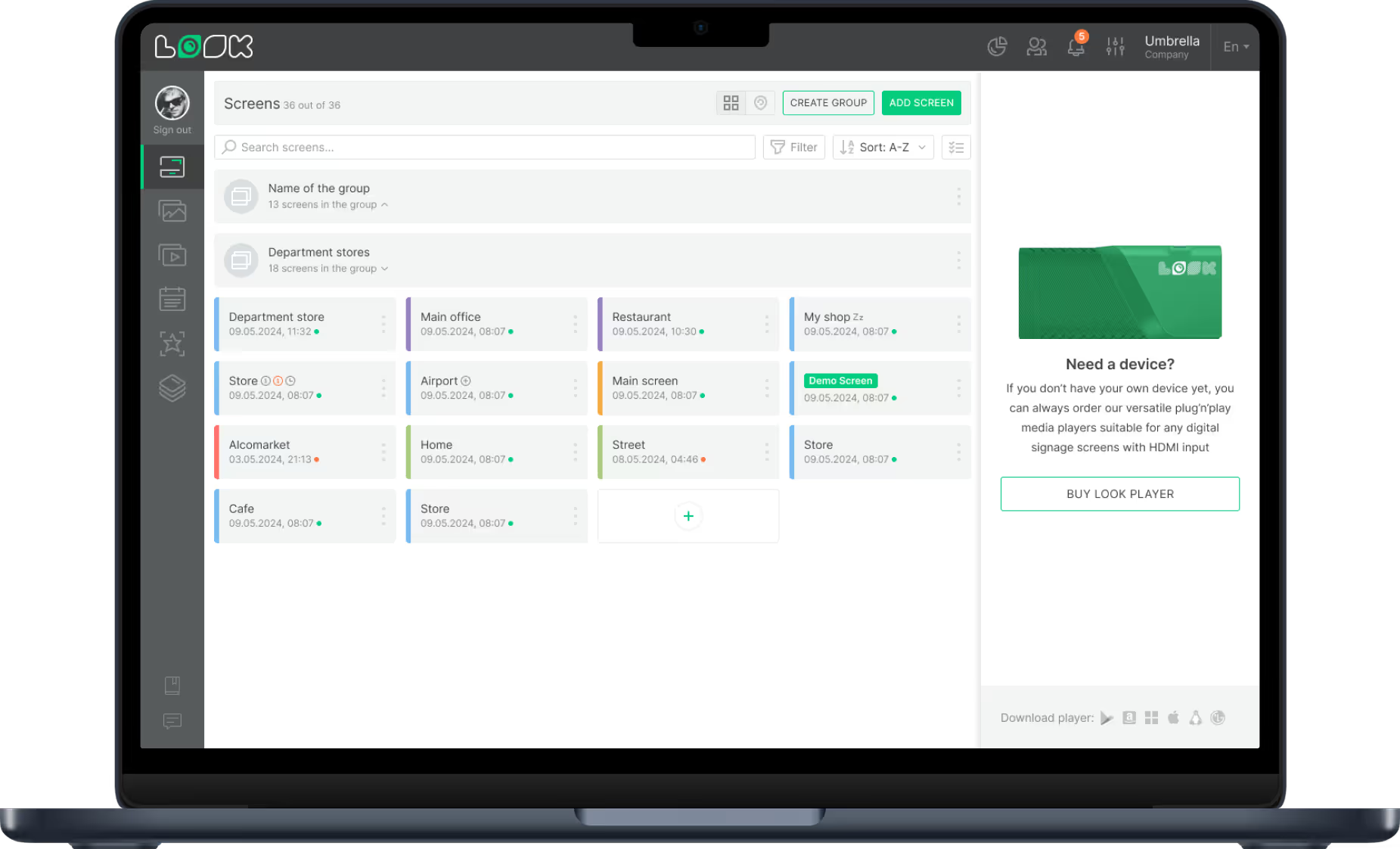
parts power each bar menu board setup: display screens, a media player, and cloud CMS software managed from one hub
5 Minutes
to remove a kicked keg, publish a new stout, or change prices across all screens without rewriting chalkboards
1 → 1000s
scaling range called out for software selection, so operators can start with one pub and expand to large screen networks
$500 –$1000+
typical commercial display cost range, with long-term savings expected from reduced printing and higher promo sales
What is bar digital signage?
A networked menu system, not a one-off TV screen
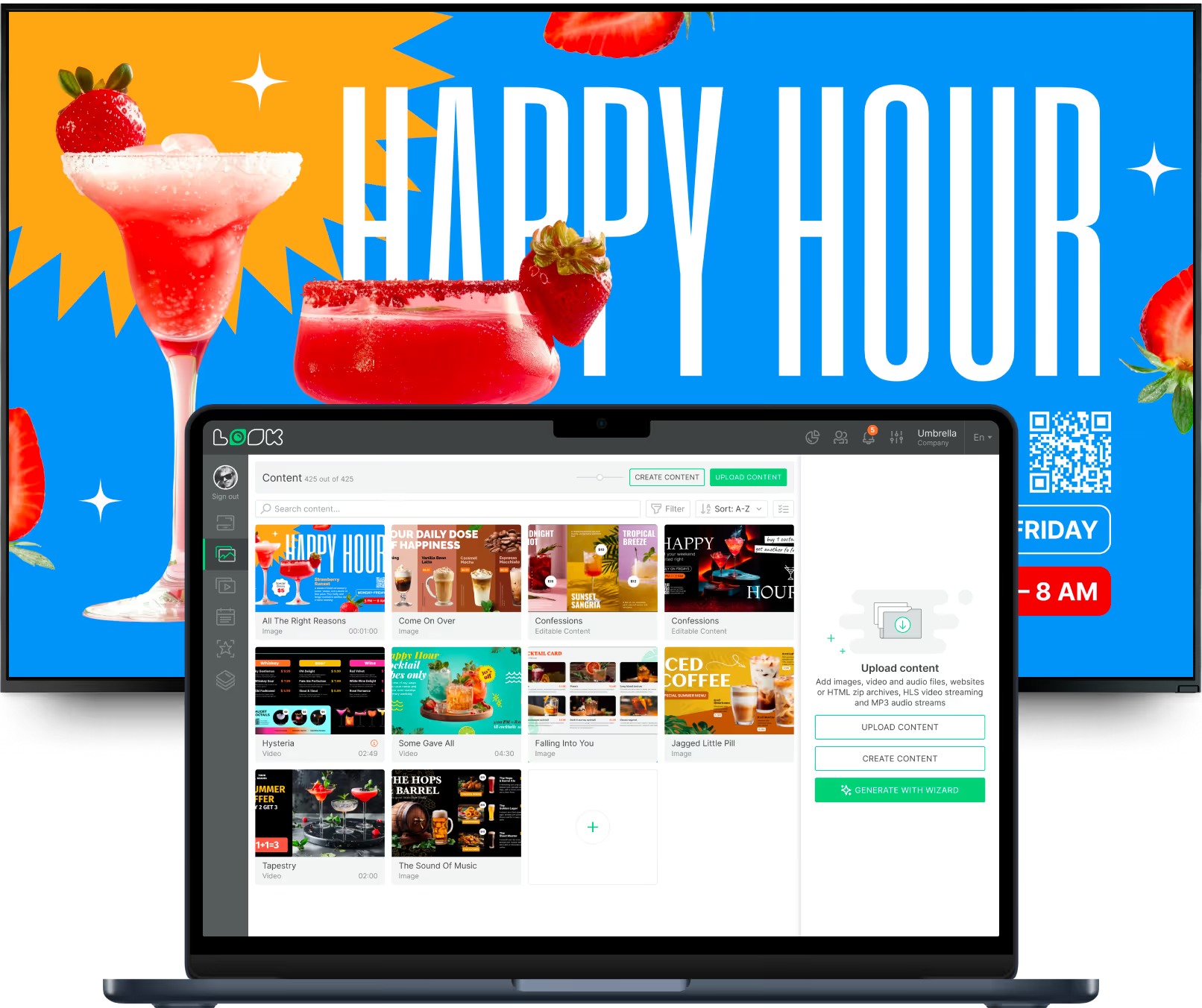
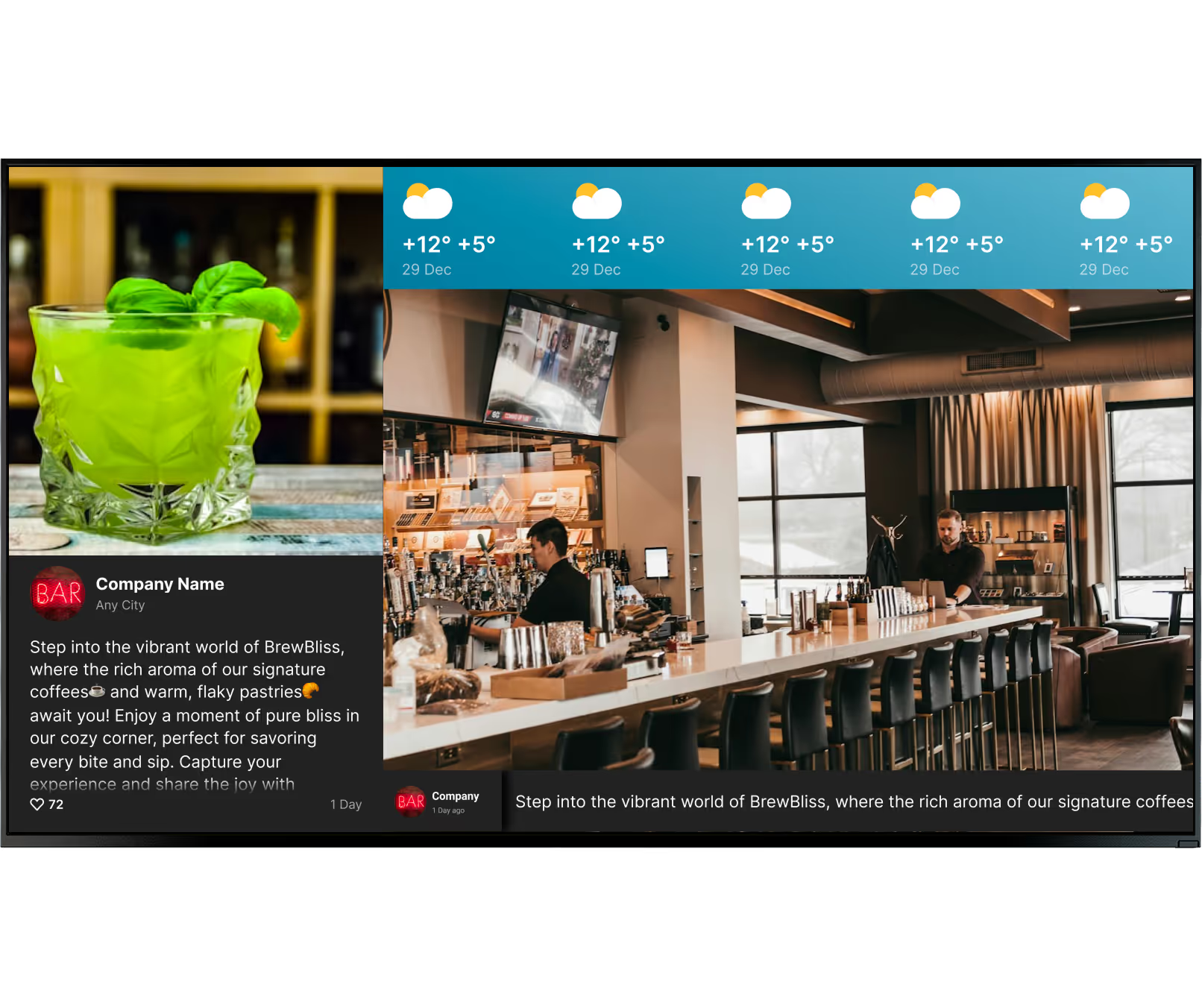
Digital signage for bar menu boards is a network of screens controlled by media players and a cloud content management system. It replaces static chalkboards and paper signs with bright, high-definition displays that keep your messaging consistent and easier to read in busy environments.
The value comes from operational control.
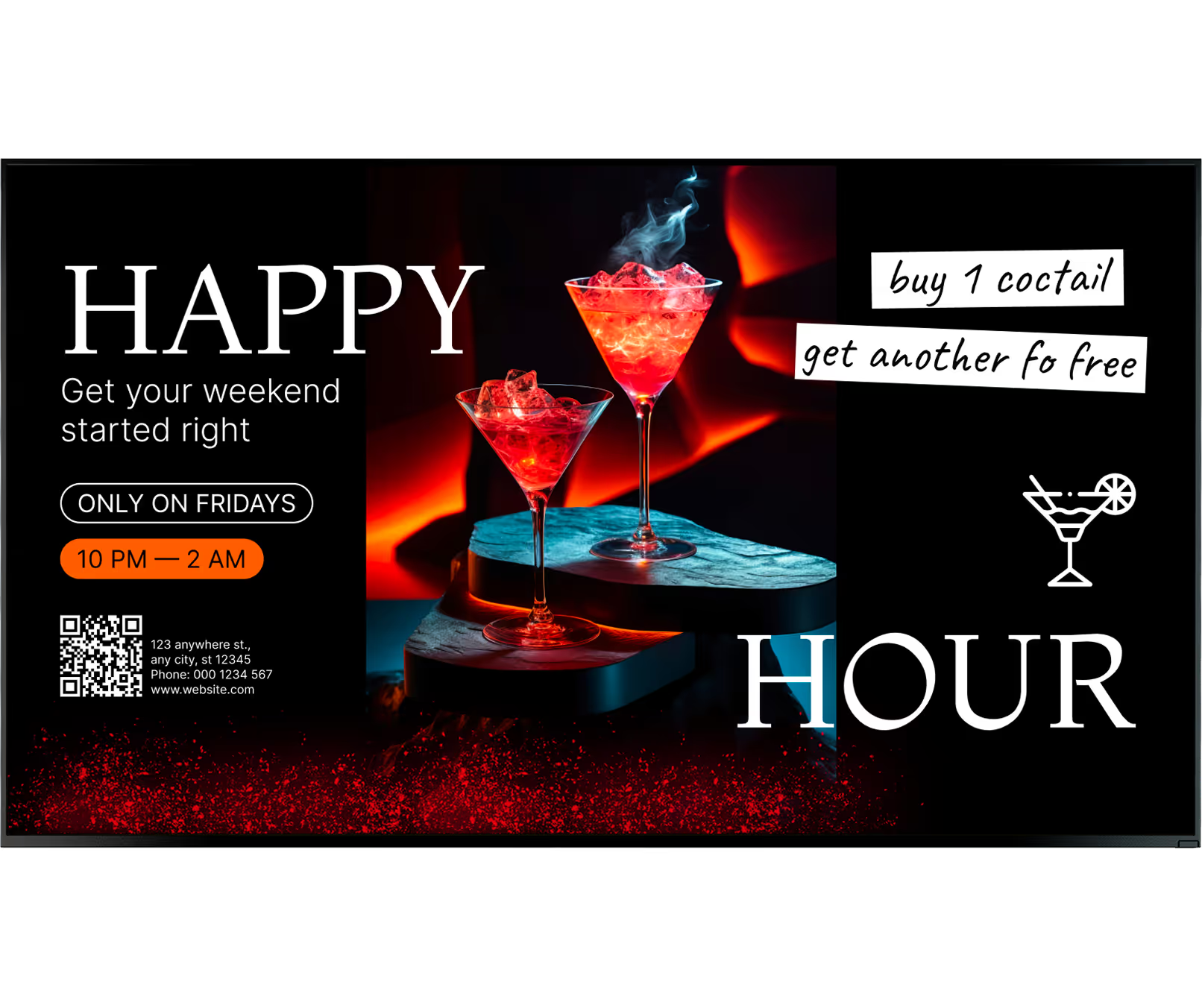
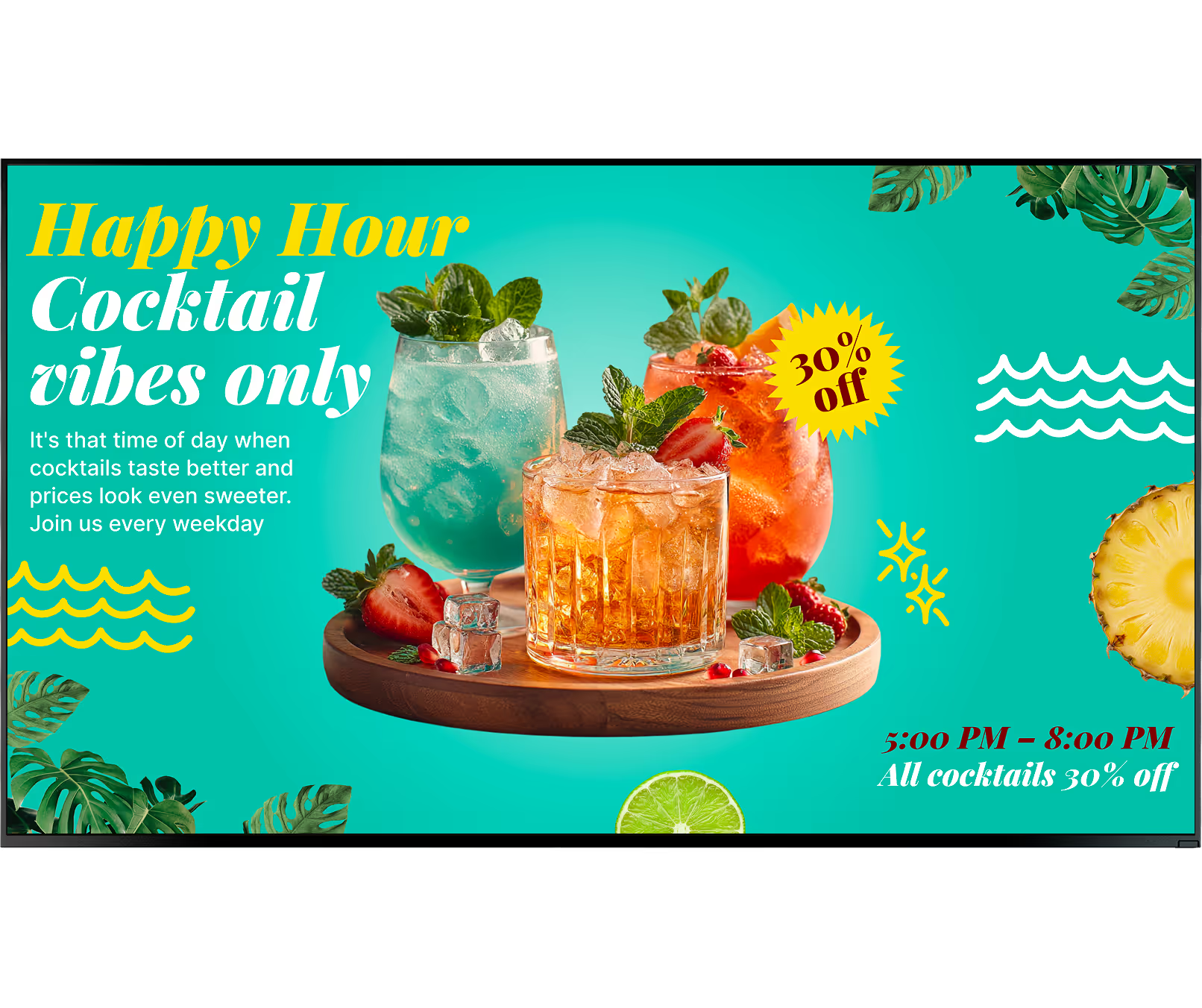
You can rotate menu sections automatically, schedule happy hour promos by time window, and keep pricing aligned across every screen without manual rewrites behind the bar.
Digital vs. traditional
Static signage

Chalkboards hard to read, and slow to update
Printed signs need reprints for every change
Manual rewrites rely on staff time during busy service windows
Old menus confuse when stock changes
No easy way to run scheduled happy hour promos
Look DS

Crisp visuals stay readable in crowded, dim bar settings
Real-time updates remove sold-out items instantly
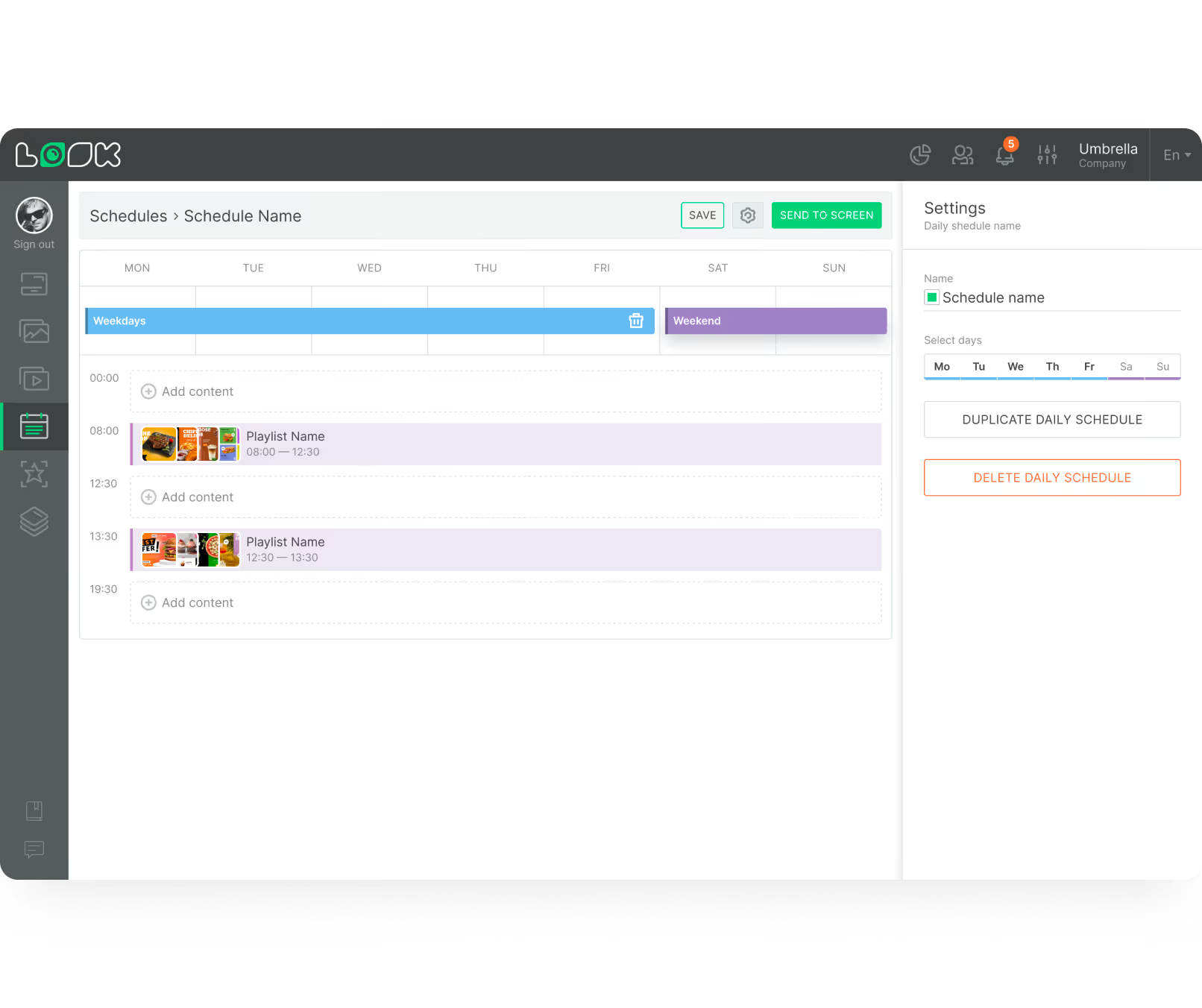
Dayparting automates lunch, happy hour, and late-night menus
Remote publishing keeps screens consistent
Dynamic visuals spotlight high-margin specials

3 core components
1
Display screens
Commercial monitors designed for bright, long-hour hospitality environments keep drink lists readable from farther away. They give guests fast visual orientation while they wait to order.
2
Media player
A media player connects the screen and pulls content from your cloud CMS. Bars can run the free Look App on supported systems or use the plug-and-play Look HDMI Player for a stable connection.
3
Cloud CMS
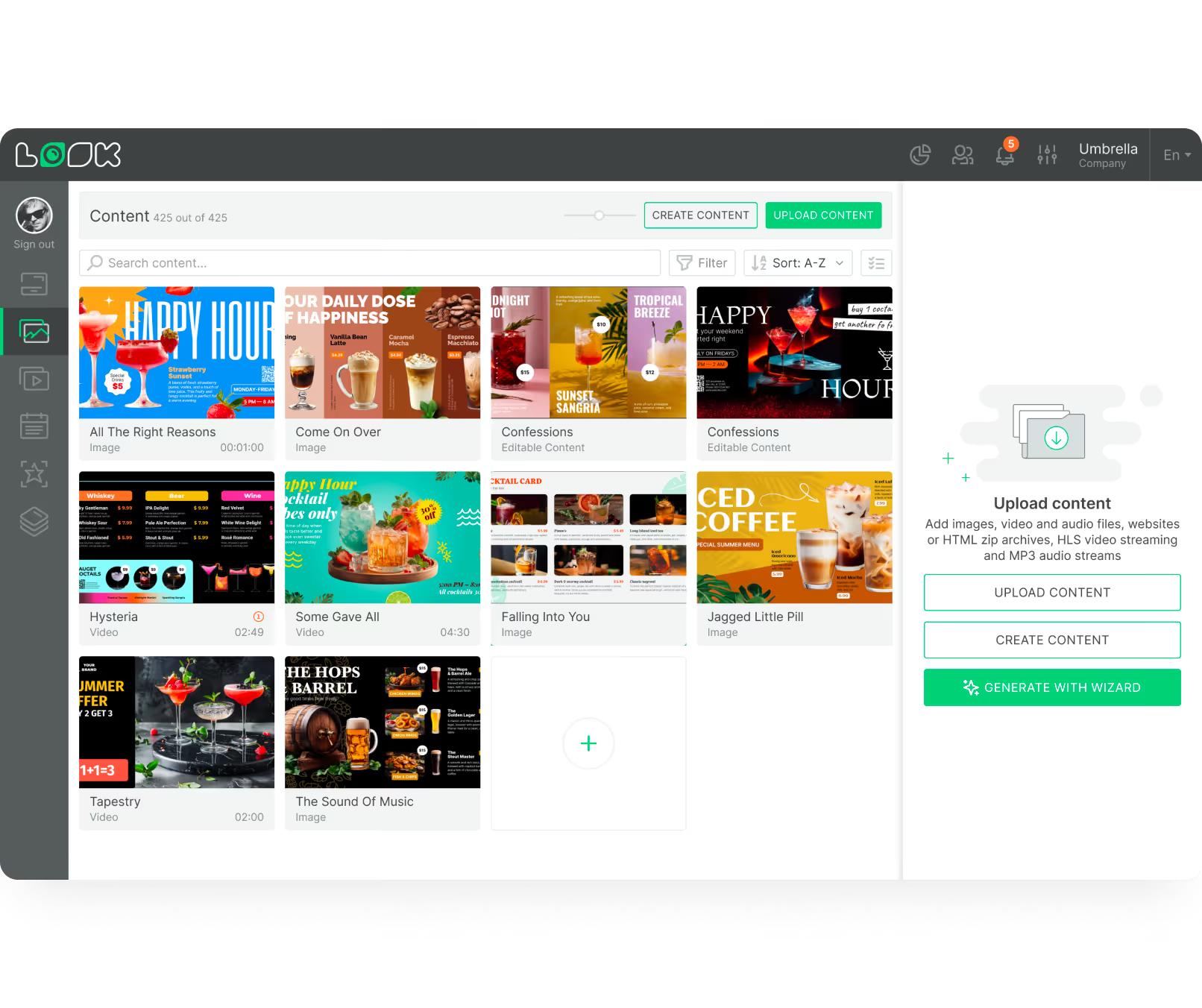
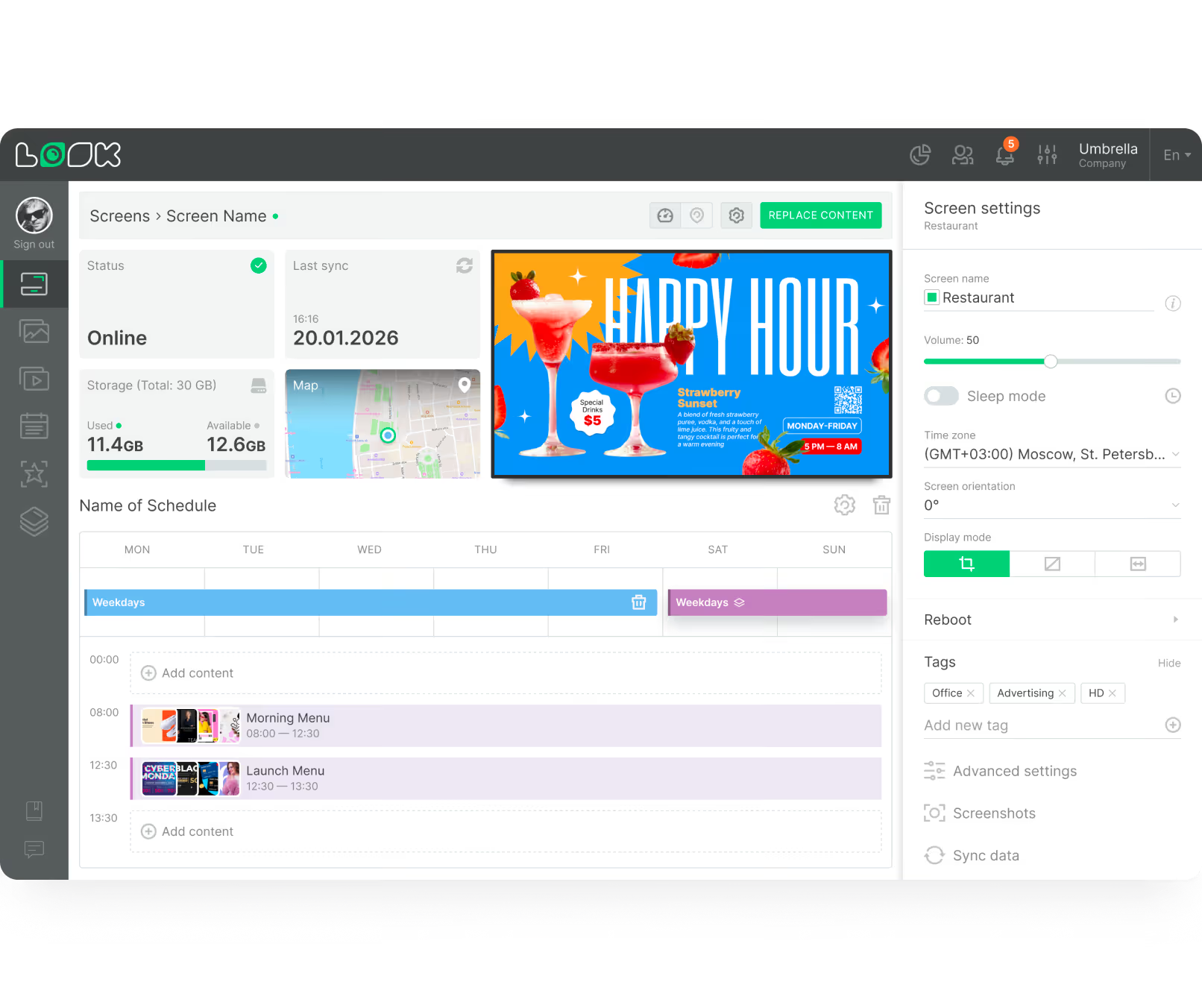
The CMS is the control center for edits, scheduling, and publishing. Staff can add seasonal drinks, adjust prices, and launch timed promotions from one dashboard, from anywhere.
Why bars switch
Six ways bar menu boards improve service and revenue

Increase visibility and attract attention

Improve order efficiency and reduce wait times

Promote high-margin drinks and timed specials

Enable real-time updates and instant price changes

Support brand identity and thematic consistency

Reduce recurring printing and design costs
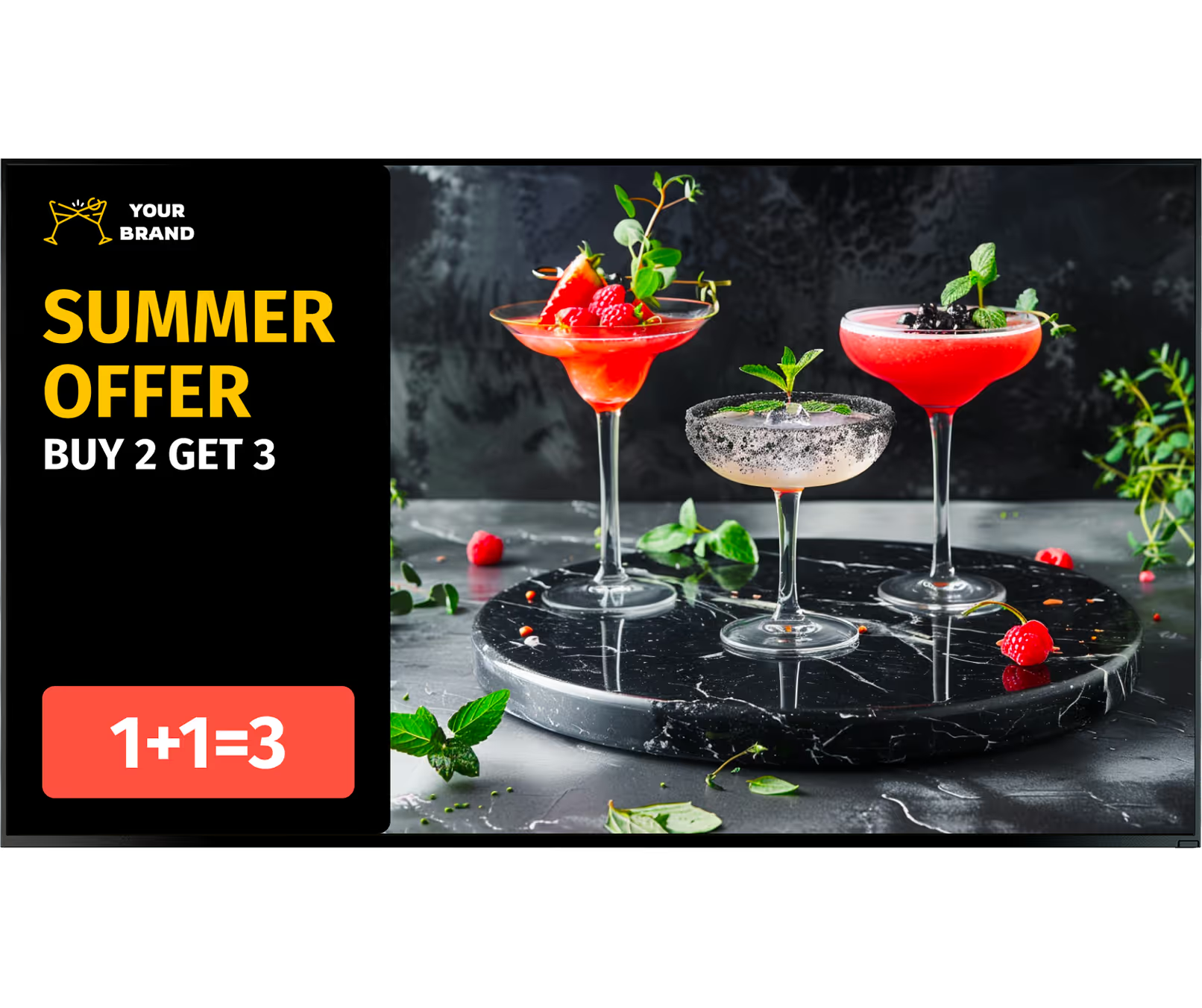


Bar segments
Digital menu board setups for six bar operating models
The article covers multiple deployment styles, from simple static layouts to highly dynamic and multi-location operations. These six segments map those patterns to real bar environments.
Bars needing a clean replacement for chalk menus
Static digital boards keep the layout fixed while improving readability and presentation quality. They are a practical starting point for bars that want to modernize quickly without complex interactions.
High-volume bars pushing premium items
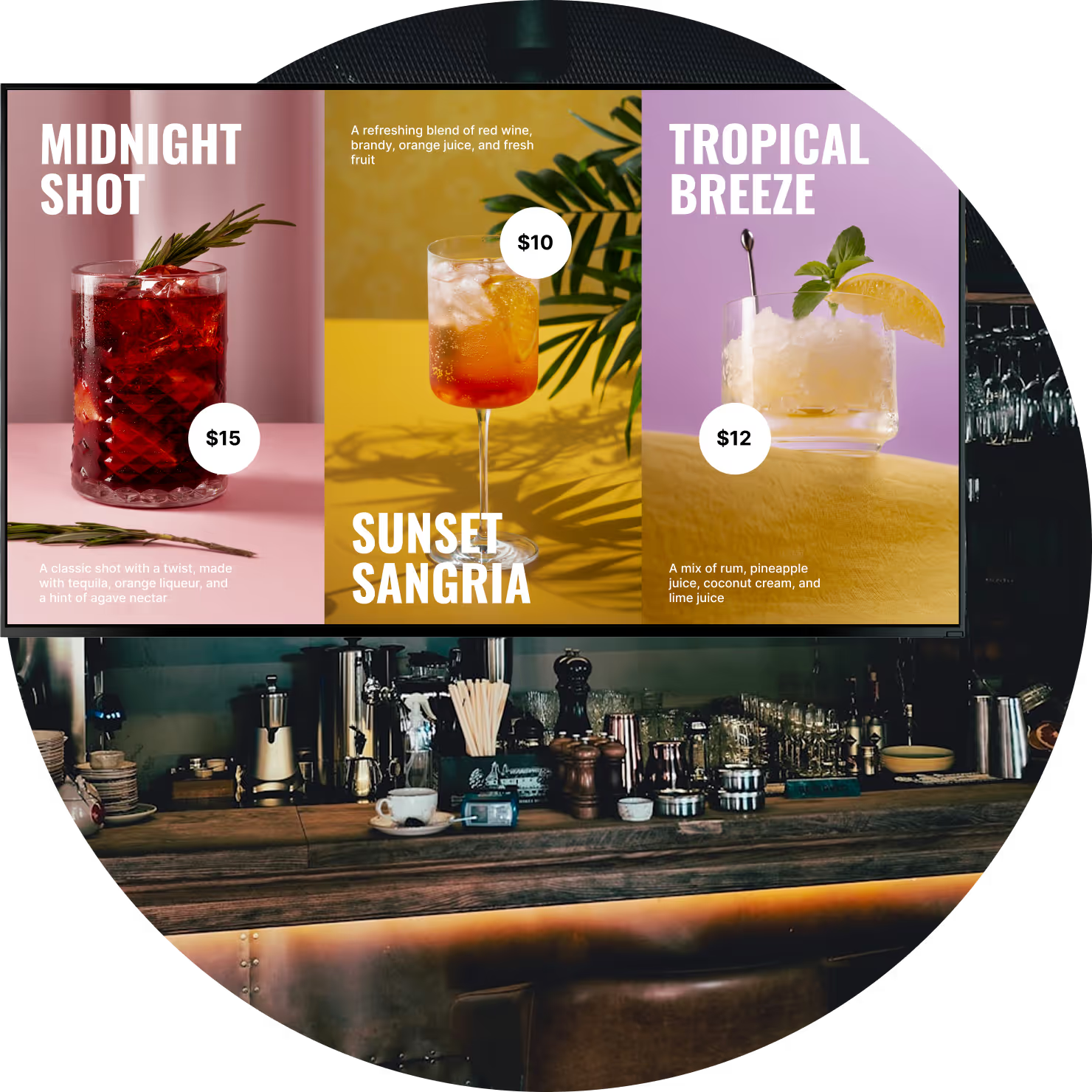
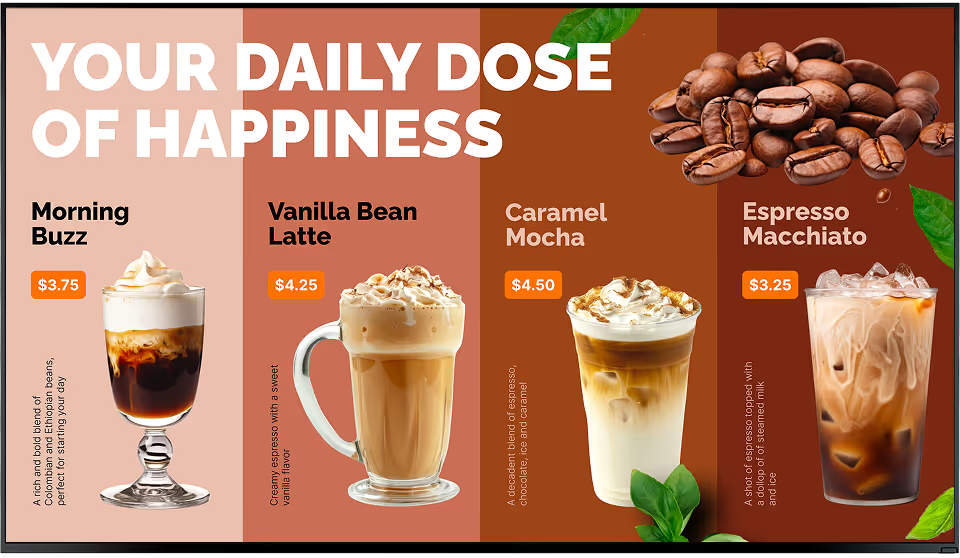
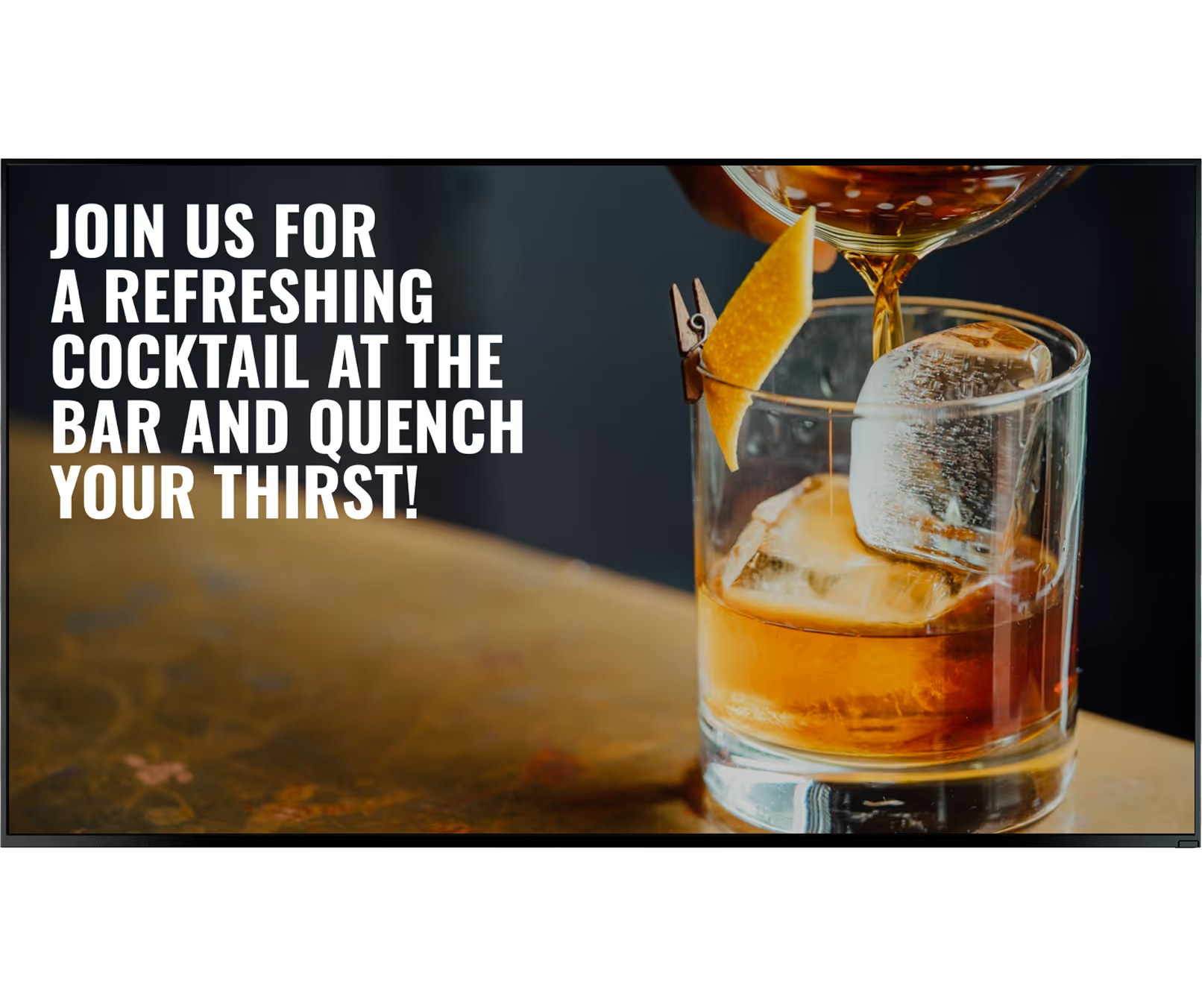
Dynamic boards use animation, scrolling text, and video to pull attention toward profitable drinks. This format works well when you frequently run specials and need fast directional messaging.
Venues offering self-guided browsing and pairings
Interactive touchscreens let guests explore ingredients, drink origins, and food pairings at their own pace. They require higher upfront investment but create a more personalized experience.
Single-location pubs managing daily specials
Cloud editing lets managers update one location quickly without design or print dependencies. This model is ideal when offerings change often and staff need straightforward tools.
Theme-driven bars balancing menu and event content
The article calls out high-end cocktail lounges and sports pubs as distinct branding contexts. Multi-zone layouts help these venues show menus, event promos, and live widgets in one coordinated display.
Franchises coordinating dozens of locations
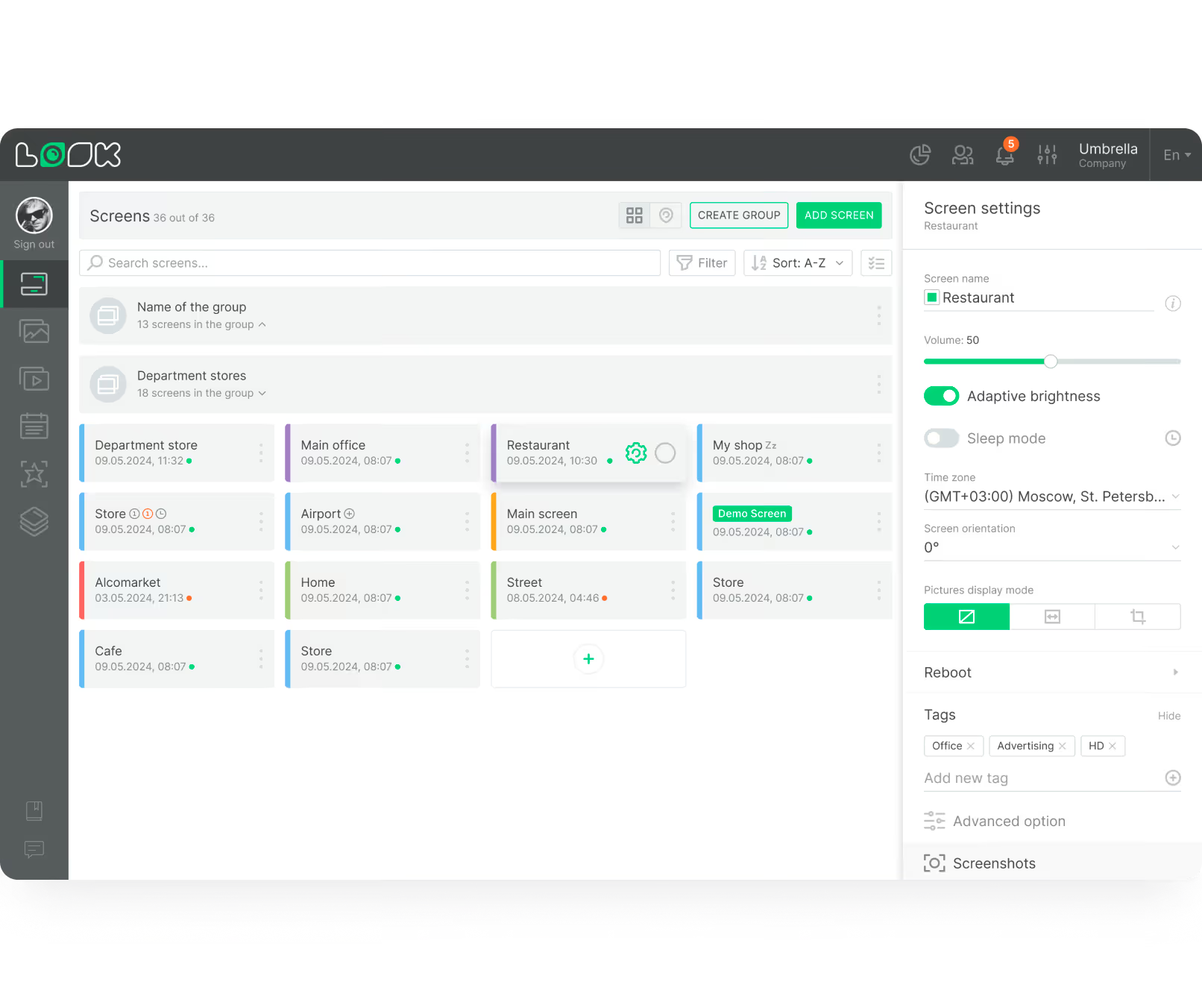
Operators can manage every screen from one web dashboard while preserving consistency across sites. Regional teams can still adjust local pricing or inventory when needed.
Placement scenarios
Six bar locations where digital menus perform best
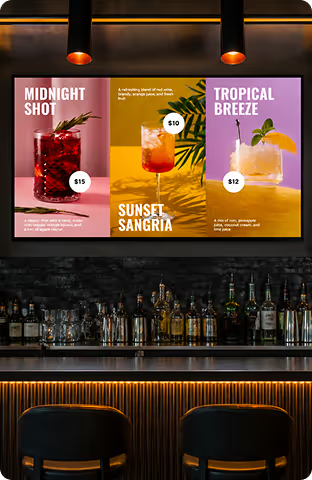
Back-bar main drink menu
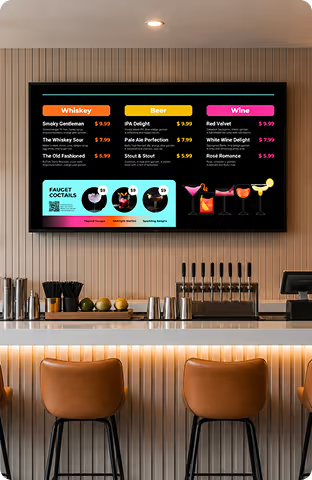
Ordering counter decision zone
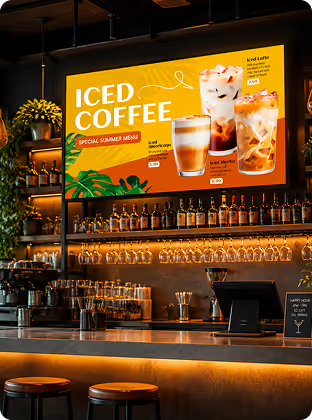
Queue and waiting areas
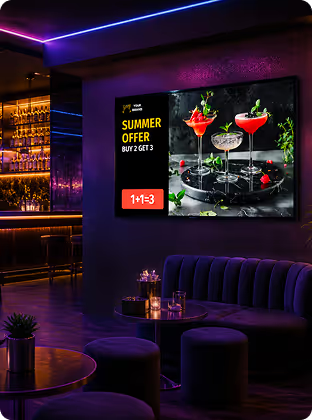
Event and seasonal promotion panel
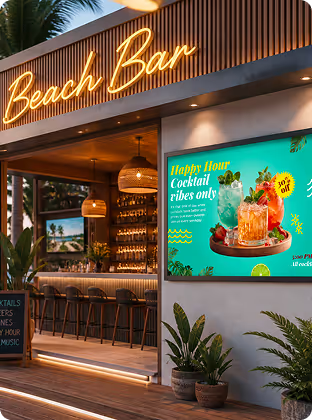
Storefront and entry-facing screens
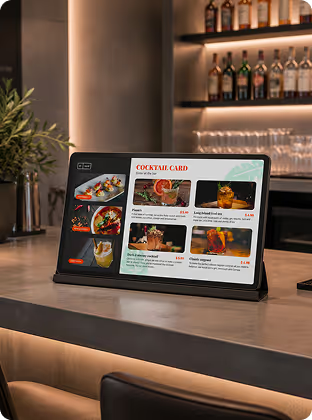
Interactive browse station
Setup
Two ways to run your bar screens
Install the free Look App
Run the app on supported operating systems to launch quickly without buying additional hardware first. This is useful for pilot screens or smaller venues validating the workflow.




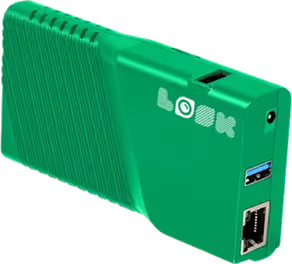
Plug in the Look HDMI Player
Use the HDMI player for a stable, plug-and-play connection to any compatible screen. It simplifies rollout for bars that want reliable playback with minimal onsite configuration.
Bar hardware note:
Bars with heavy glare, long operating hours, or dense floor traffic should prioritize commercial screens over consumer TVs for core menu placements. The article specifically notes that consumer TVs can work for a demo, but commercial hardware is the safer long-term choice for continuous operation and clearer visibility.
How it works
Go from unboxing to scheduled bar menus in three steps

Choose screens, mounts, and player
Pick commercial displays for long-hour reliability and glare resistance, then choose wall or ceiling mounts for visibility across the floor. Run the free Look App on supported systems or plug in the Look HDMI Player for a stable setup.
Build readable bar content and schedule it
Organize categories logically, keep contrast high, and avoid clutter so guests can read from the back of the room. Then set Smart Scheduling so lunch, happy hour, and late-night rotations switch automatically.
Publish remotely and keep menus current
Use the cloud dashboard to update pricing, remove sold-out items, and push changes to every screen from anywhere. Test connectivity after install and use built-in support options when your team needs help.
Key capabilities
Everything a bar operator needs

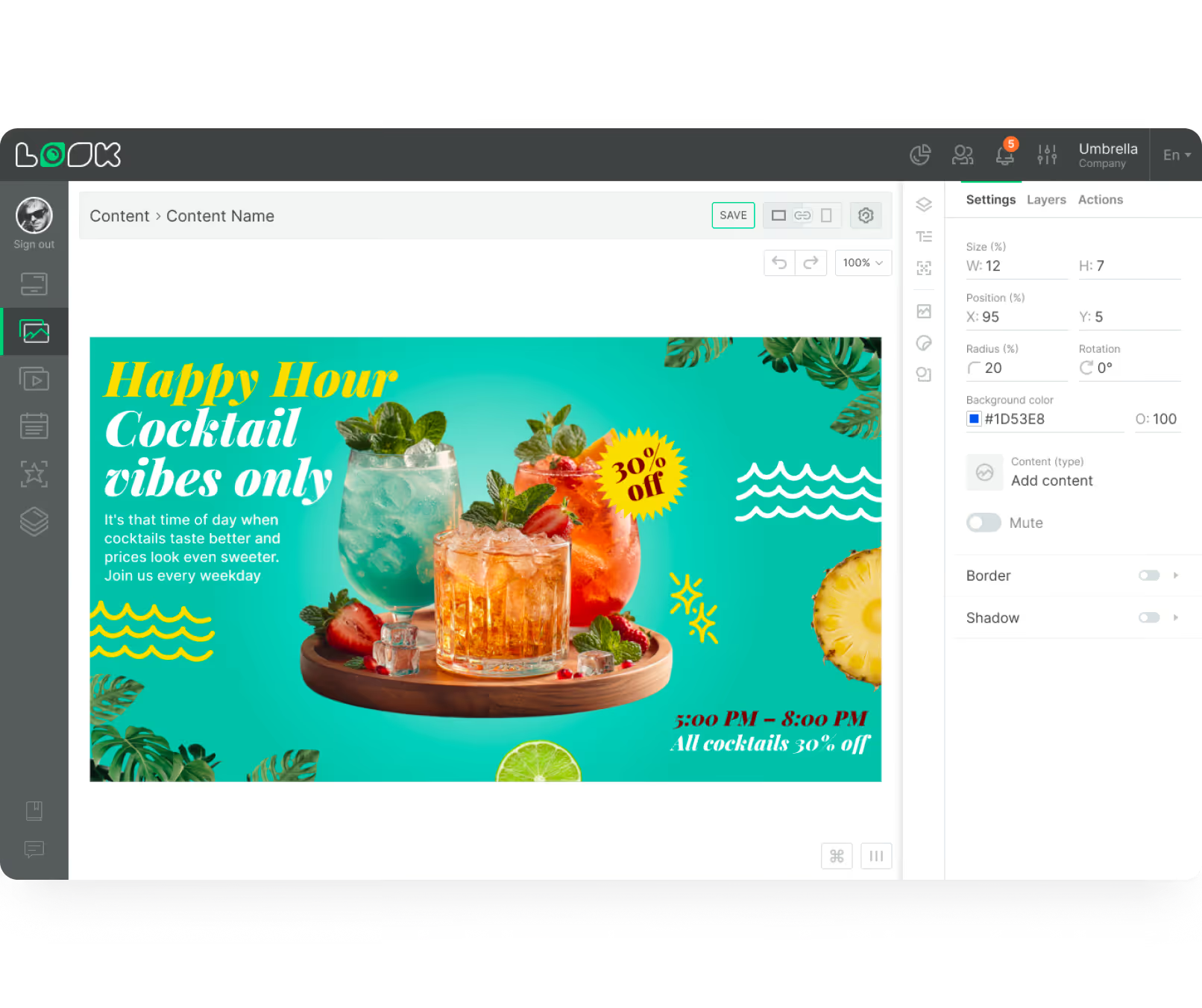
Ready-made bar templates

Dayparting and scheduled content

Inventory and POS-connected updates

Remote cloud management

Multi-screen and zone layouts

Offline playback resilience

Non-technical editing workflow

Scales from one bar to large networks







Content best practices
Six tips to maximize bar menu board impact
01
Design for legibility first
Use large fonts, strong contrast, and clear grouping so guests can read from typical standing spots. The article specifically recommends white text on dark backgrounds and enough negative space to avoid overload.
02
Use scheduling to time promotions
Run limited-time offers only when they should be sold, such as happy hour windows. Testing offer timing helps you identify what drives stronger sales in your specific venue.
03
Place screens for real sightlines
A strong menu design fails if glare or poor placement blocks visibility. Walk the floor and verify readability from both the ordering counter and waiting areas.
04
Keep playlists fresh and on-brand
Refresh visuals, retire outdated offers, and keep brand styling consistent across screens. Remote management makes these updates fast enough to become part of weekly operations.
05
Use visuals to sell signature drinks
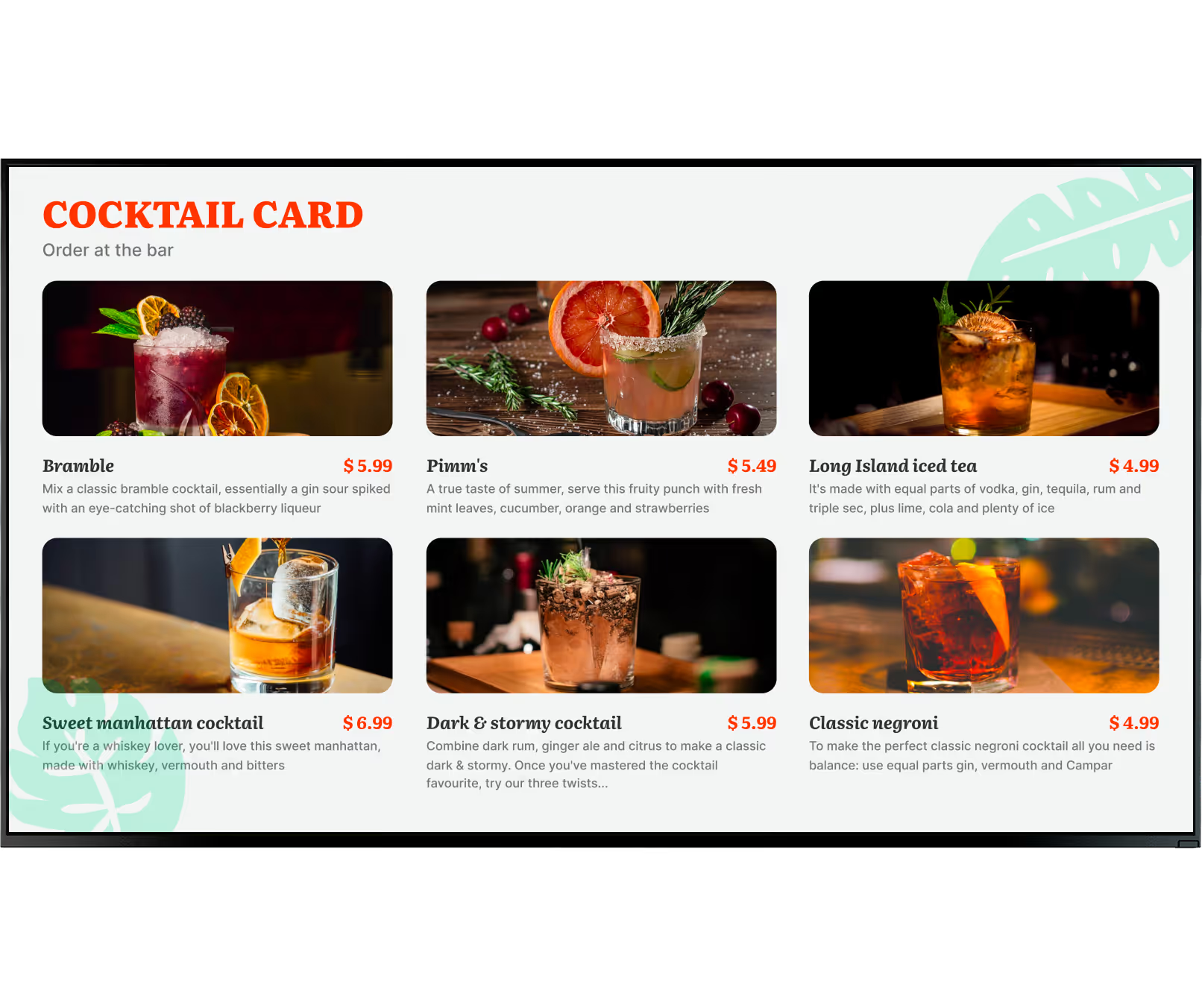
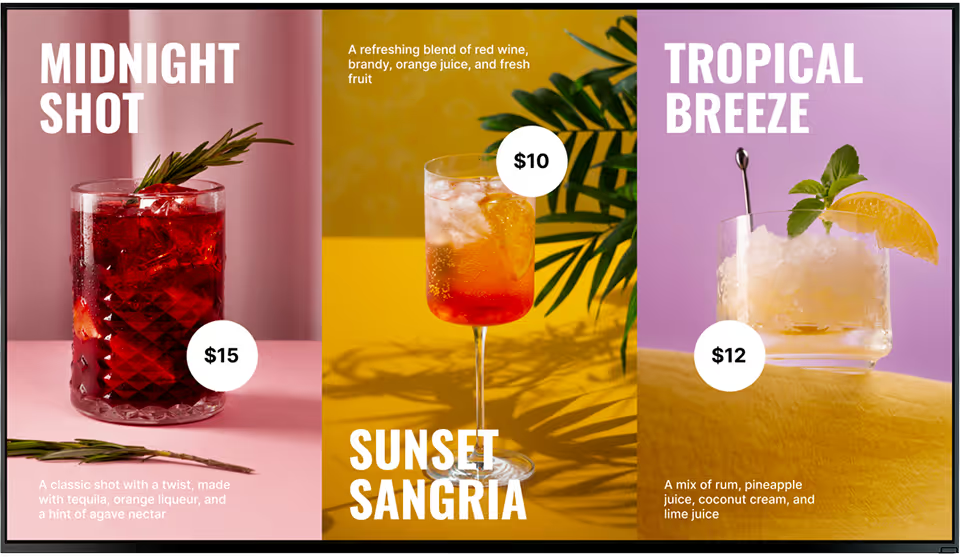
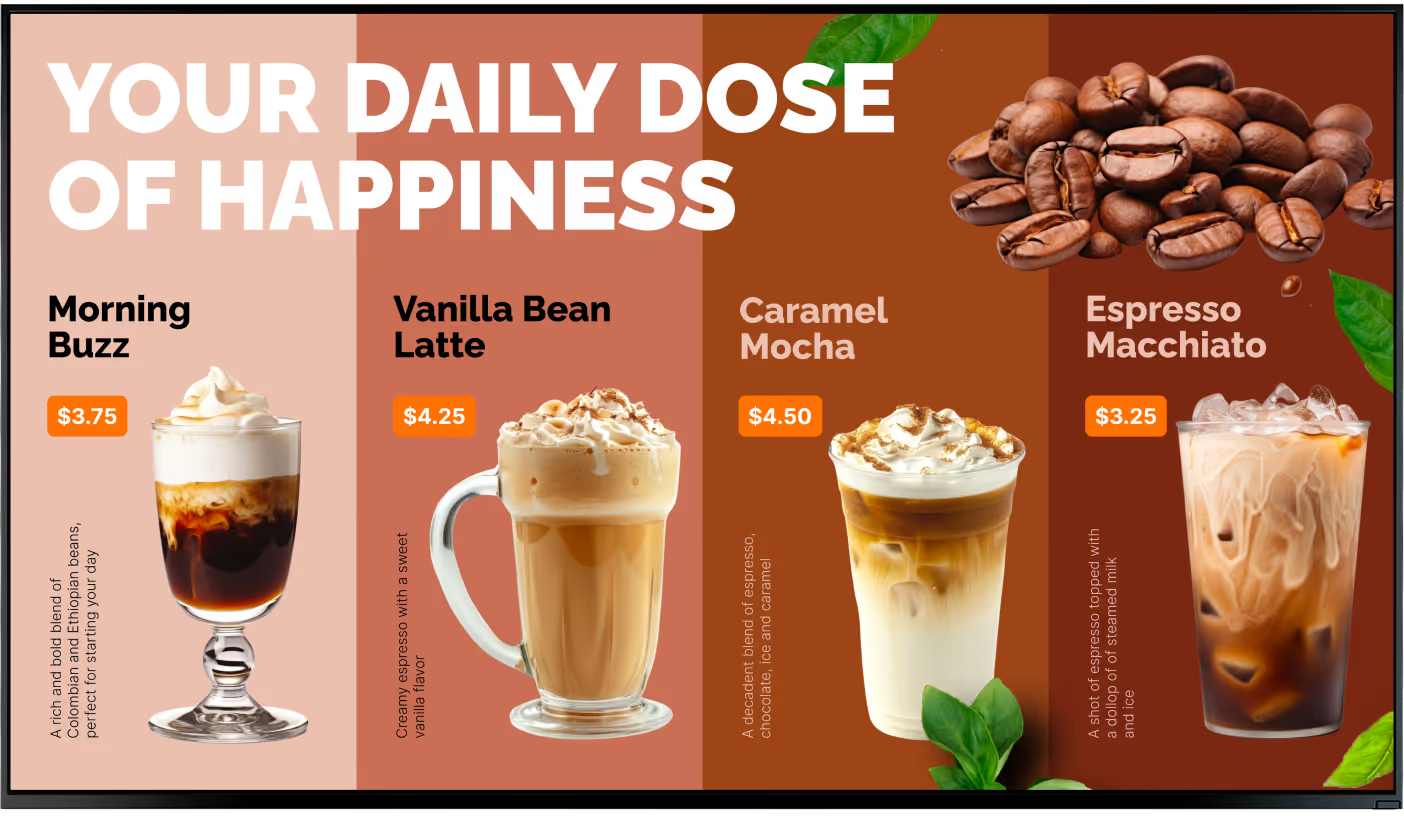
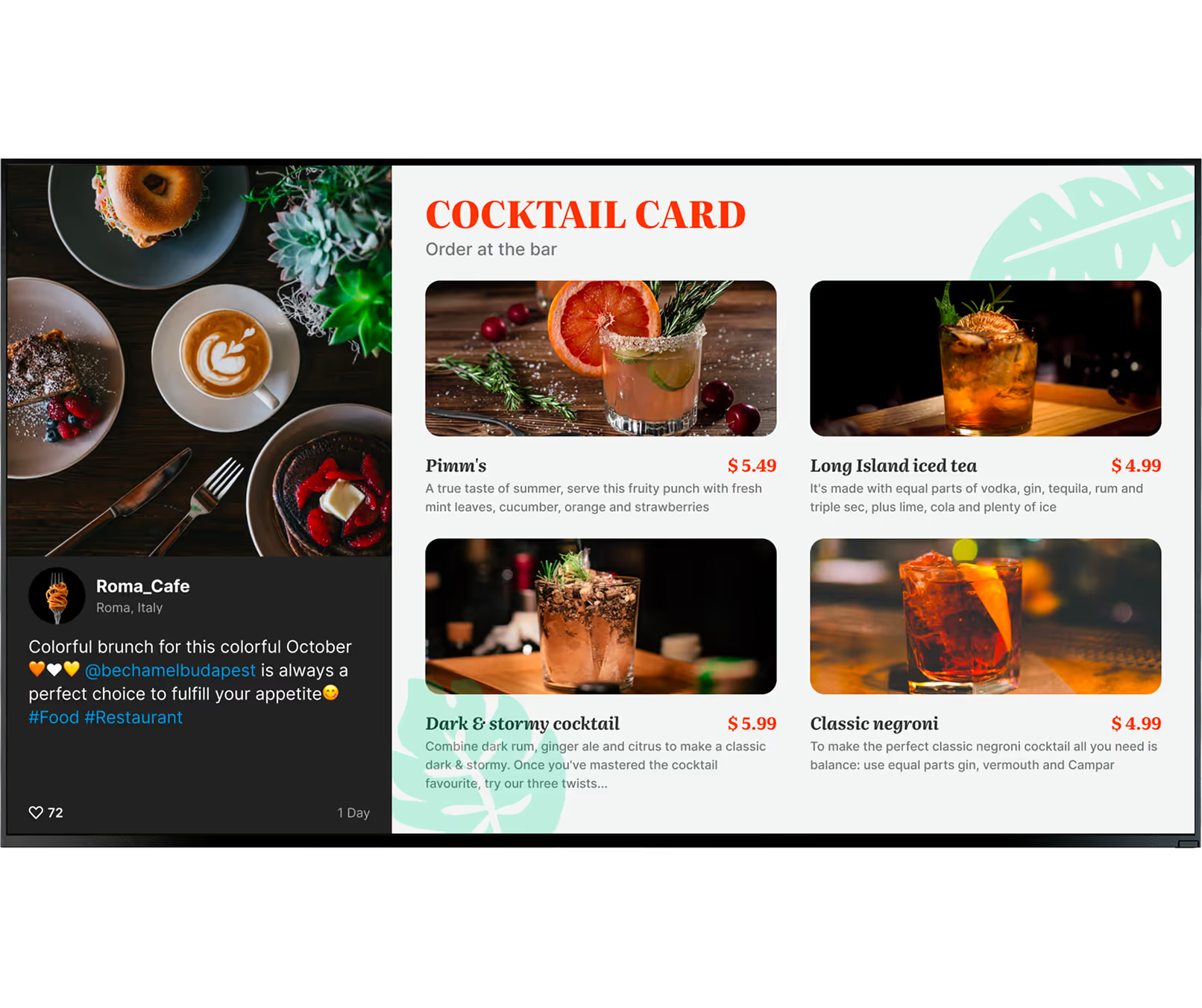
The article recommends high-resolution photos or looping videos for cocktails and specials. Rich visuals often drive more orders than text-only listings.
06
Match content to season and events
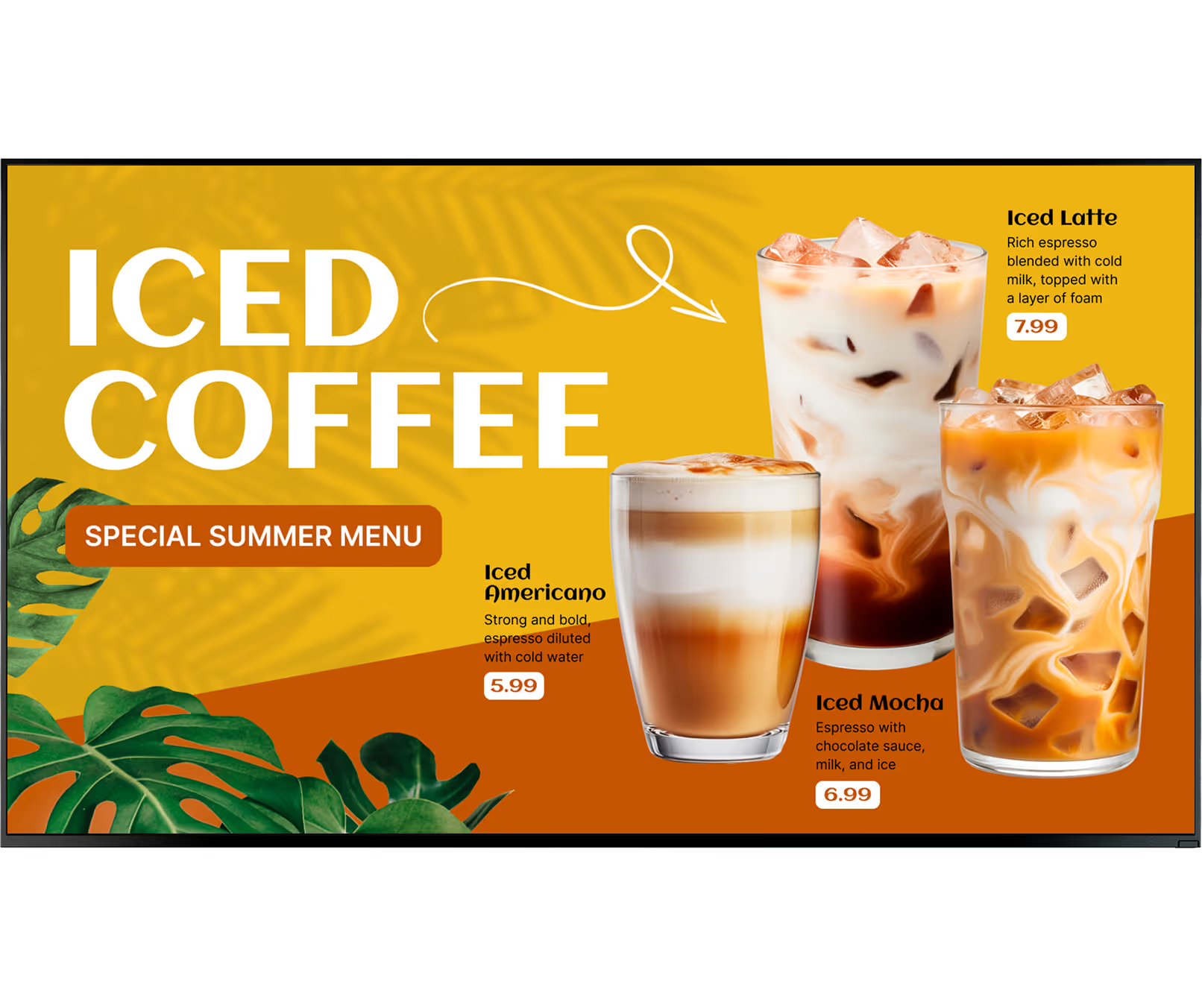
Promote seasonal drinks and upcoming events such as trivia nights or live music in dedicated zones. This turns screens into an active communication channel, not just a static price board.
Common mistakes
Four rollout issues bars should avoid
Treating digital boards like static chalk menus
Fix: Use dayparting and timed promos so content changes automatically by service window.
Allowing readability issues on live screens
Fix: Use high-contrast typography, simplify layouts, and verify visibility from the queue and bar rail.
Relying only on consumer TVs for long-hour operation
Fix: Pilot with existing TVs if needed, then standardize on commercial displays for mission-critical screens.
Ignoring connectivity and support planning
Fix: Choose offline-capable software, use ready-made templates, and confirm support channels before launch.

Operator feedback
What bar teams report after switching
We went with Look, because it gave us the full control of the content that we were streaming to our locations and it also gave us the scalability, which is even more important. Great experience overall.


Look dramatically simplifies the content management process for us. I can change the menus in a couple of clicks in all the restaurants from any place. It’s really easy-to-use and the solution works just smoothly.
Working with Look is been amazing! And one thing I'm excited about even more than experience we already had is the future!






FAQ
Frequently asked questions about bar menu boards
How much does a digital menu board cost for a bar?
Can I turn my current TV into a bar menu board?
Are digital menu boards difficult for bar staff to update?
Can we schedule happy hour and late-night menus automatically?
Can bar menu boards sync with inventory or POS data?
What are the most common implementation challenges in bars?
Can I manage one pub or a multi-location bar group from the same system?
Still have questions?
If you are comparing hardware, mounting, and software options for a bar environment, we can map the right setup for your floor plan and service style. The goal is clear menus, fast updates, and reliable playback during peak hours.
Free templates
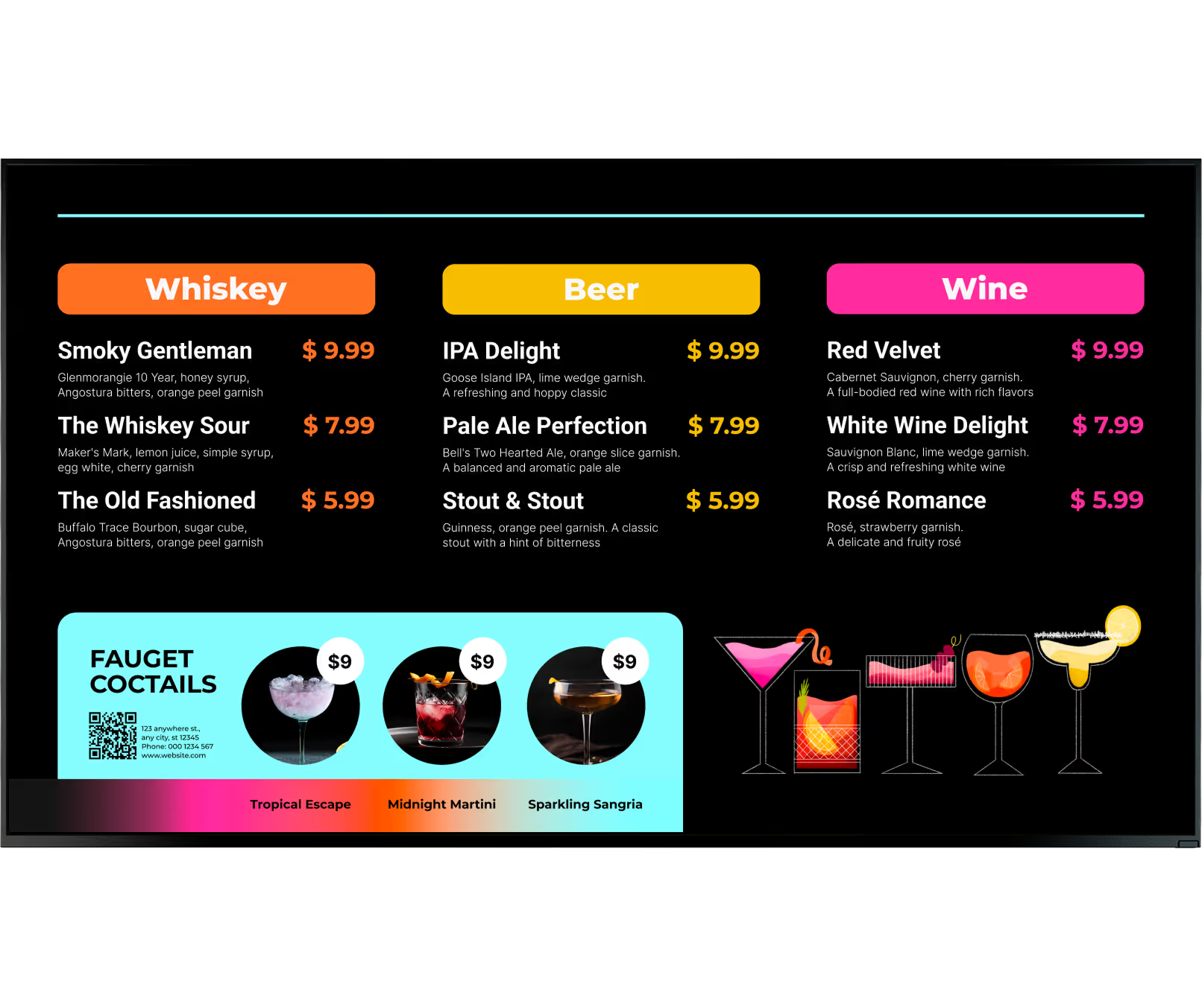
Bar-ready templates for drinks, specials, and events
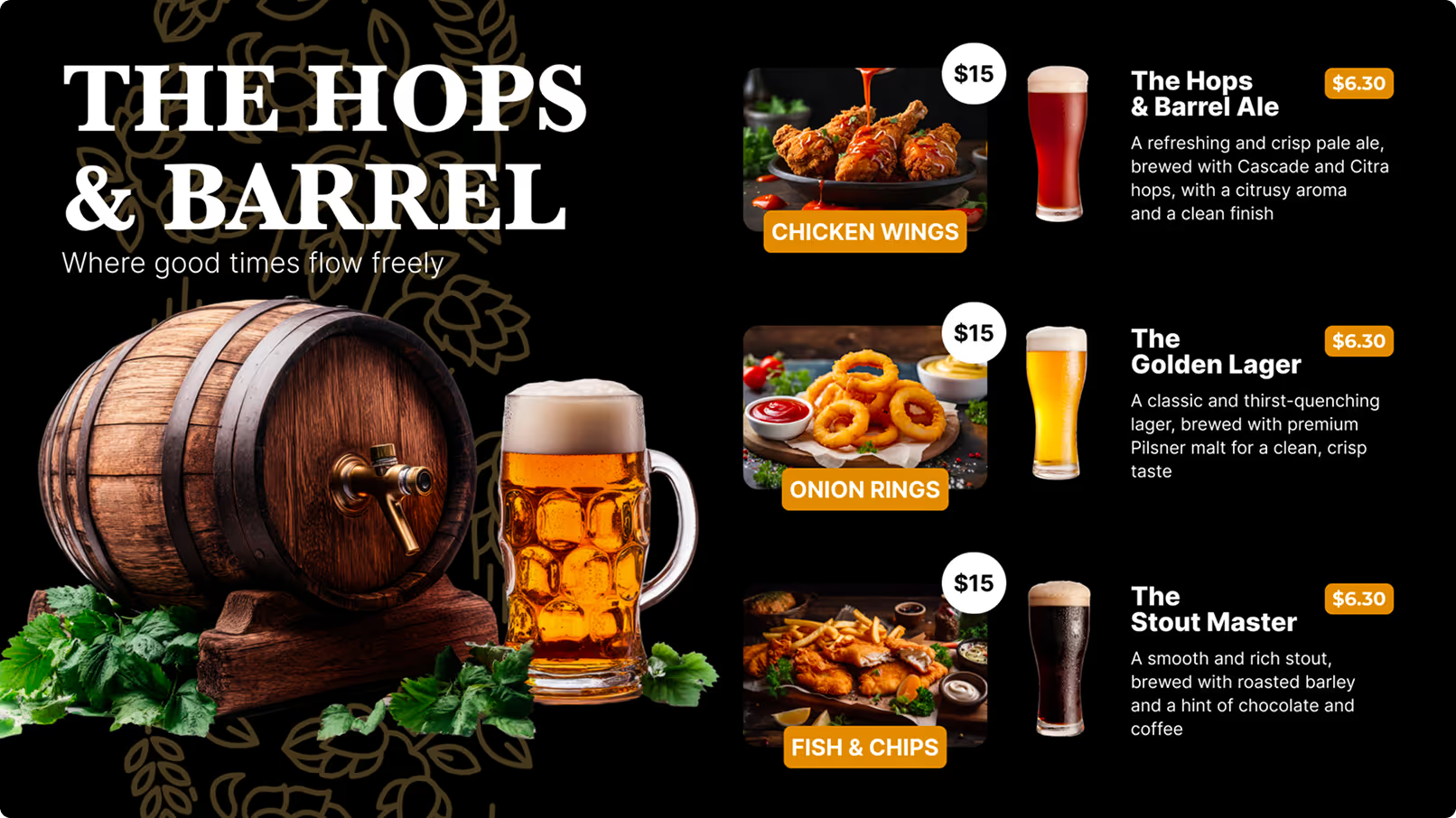
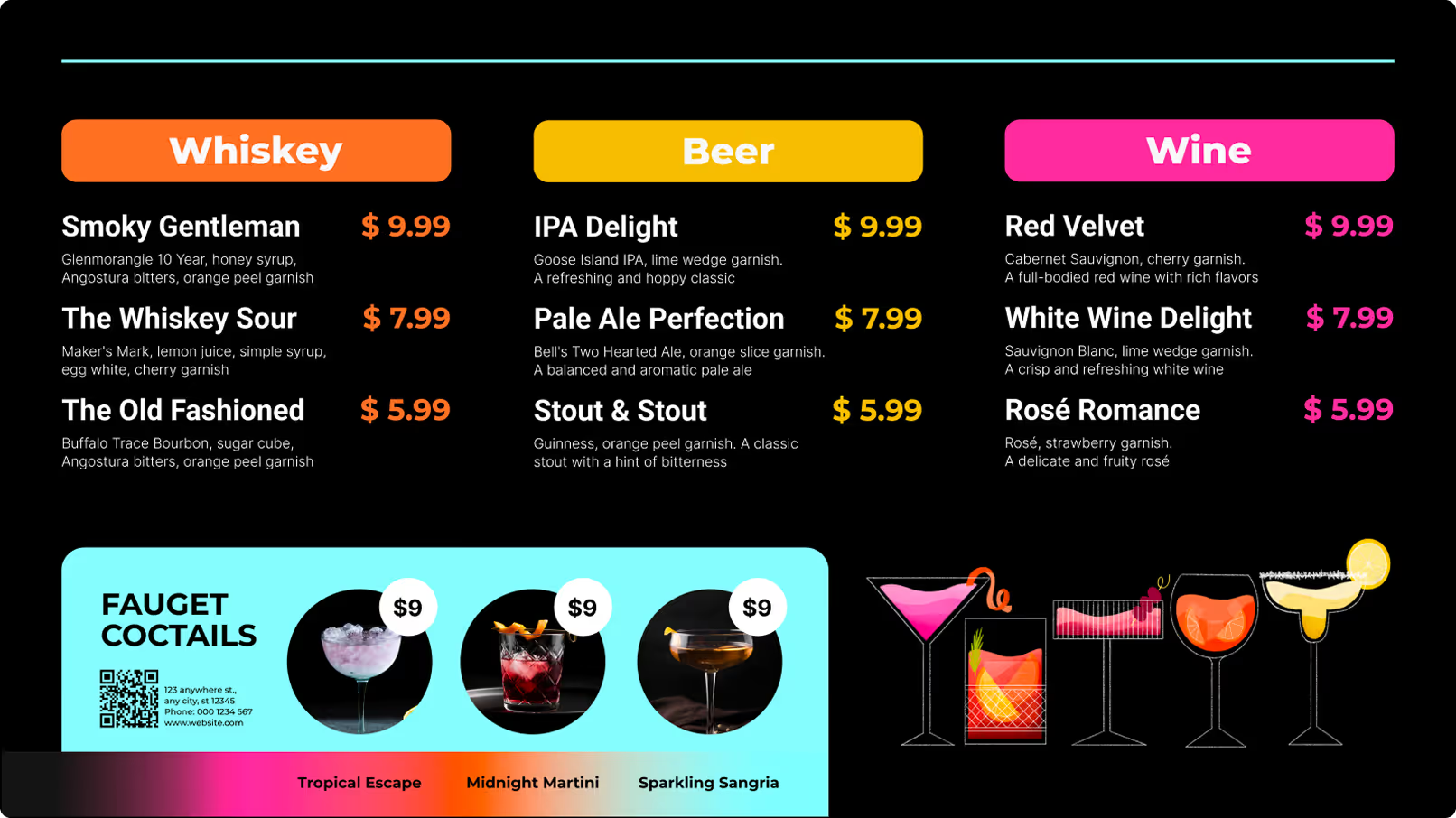
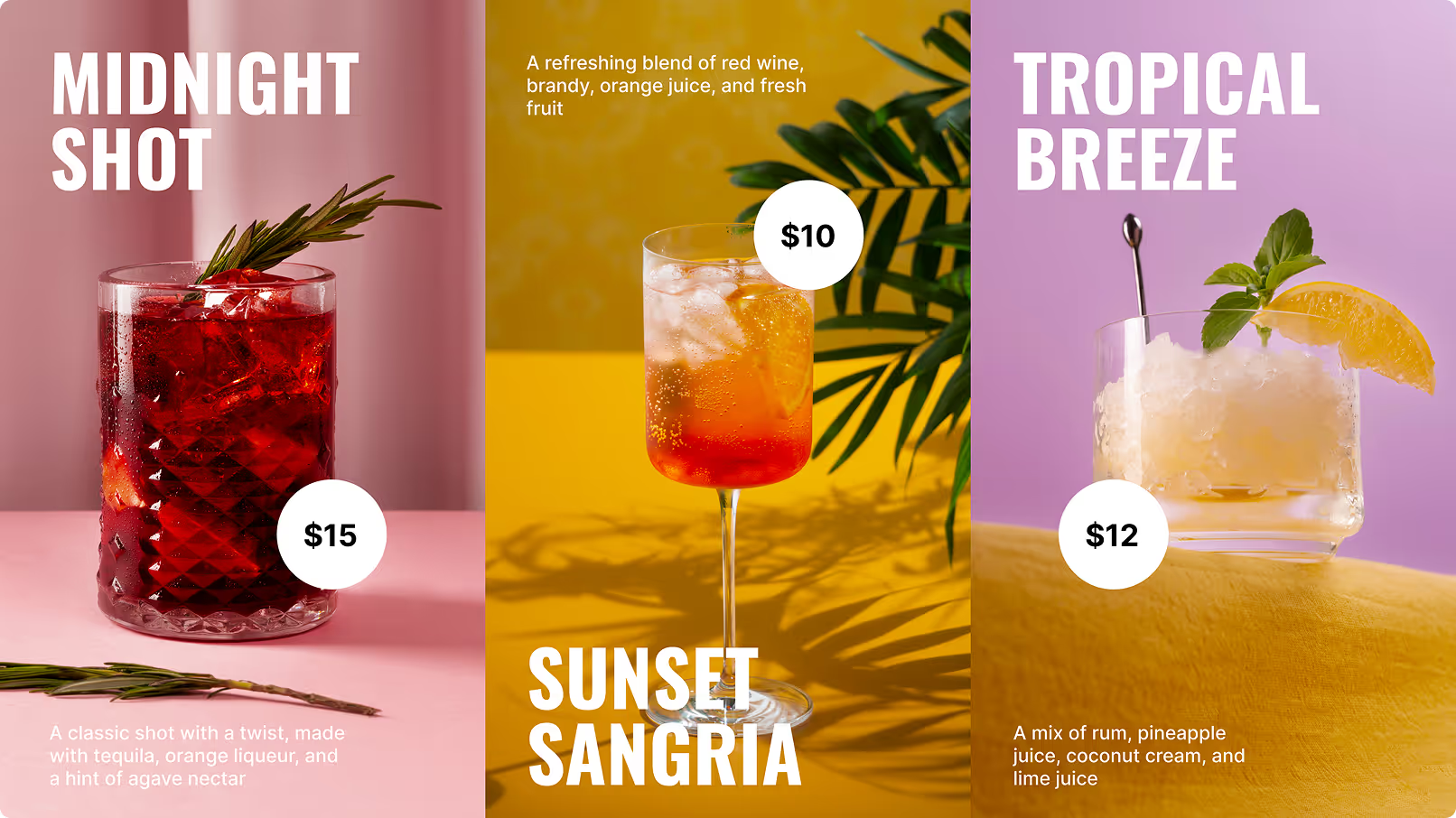
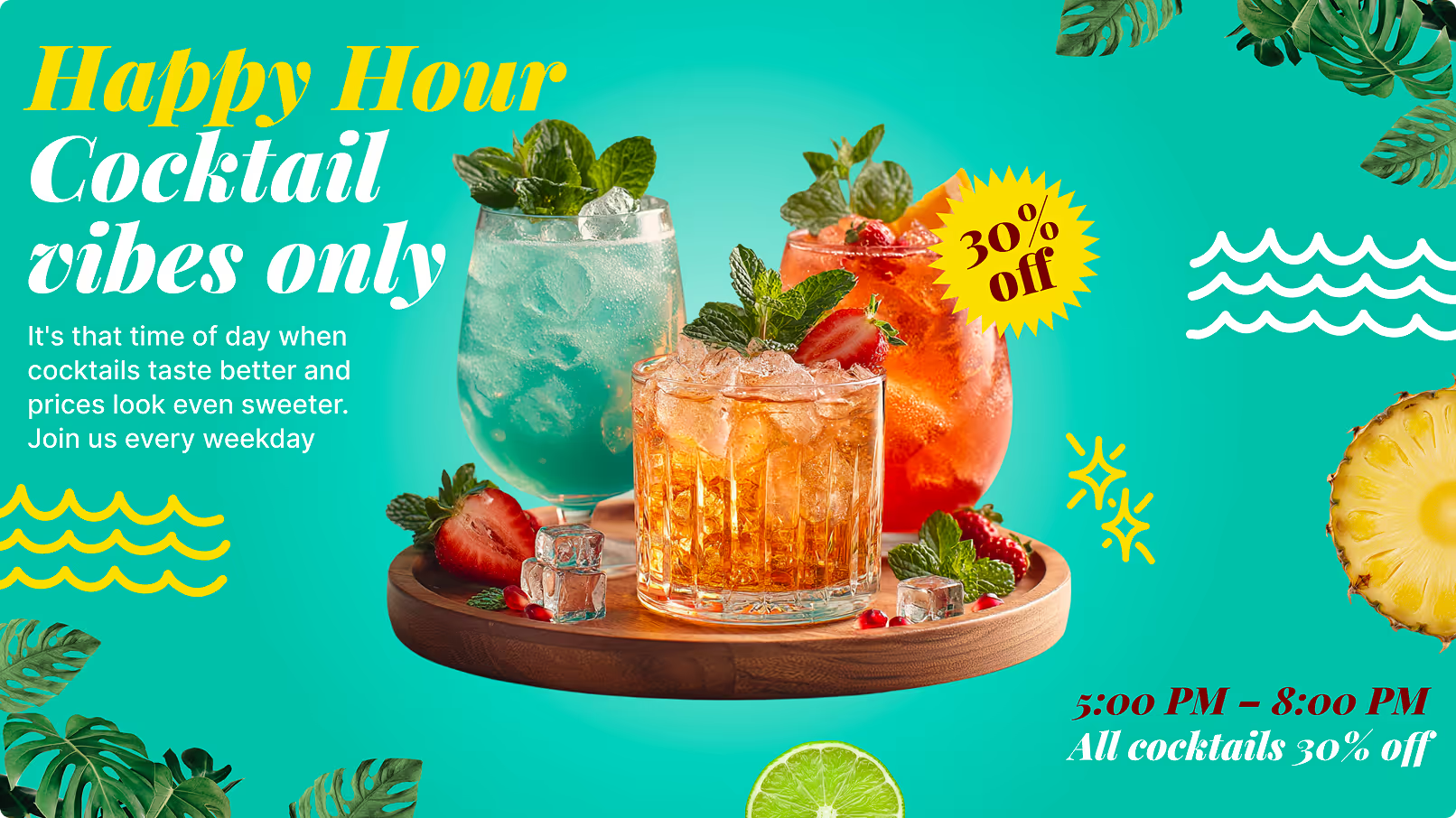
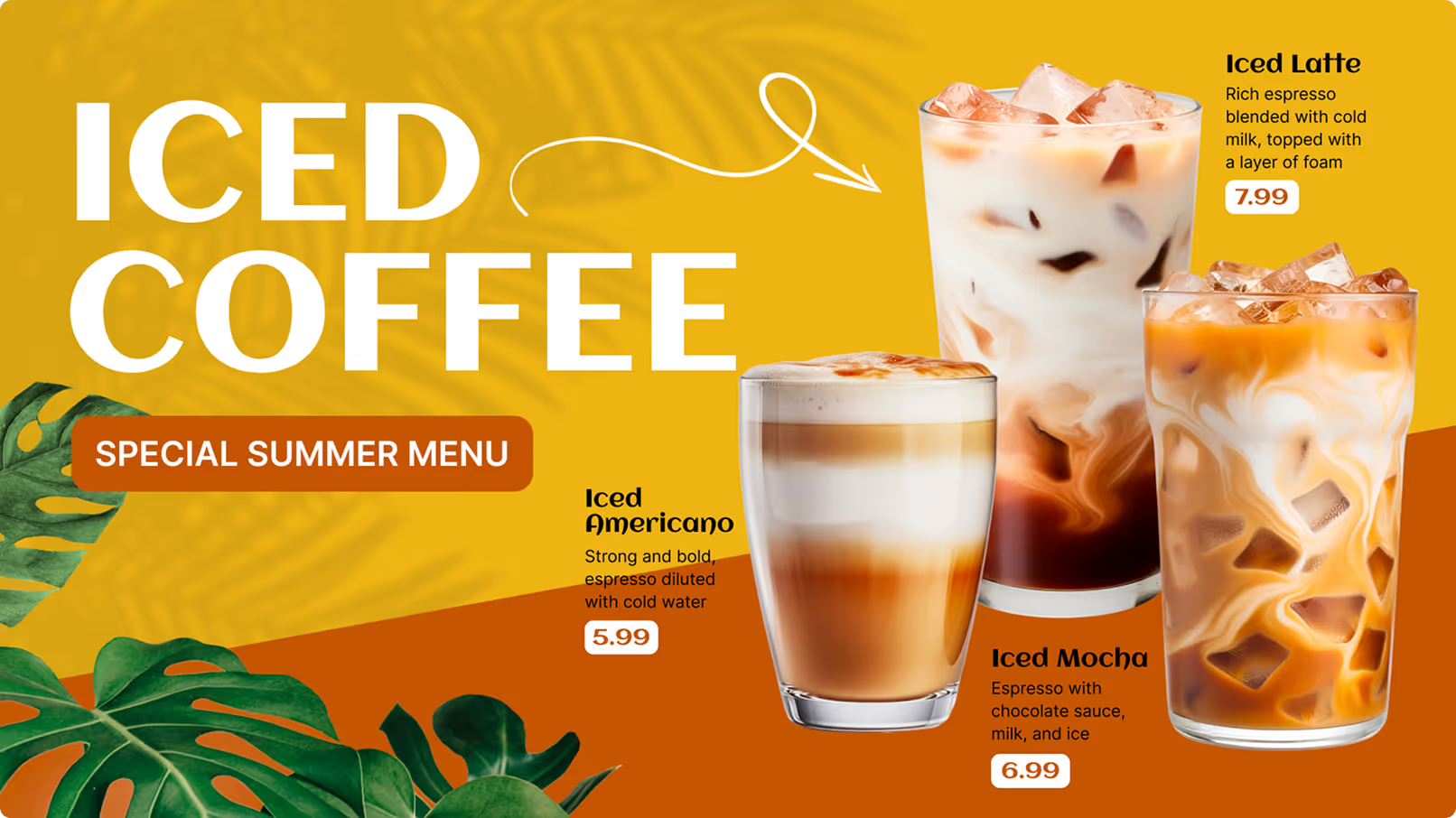
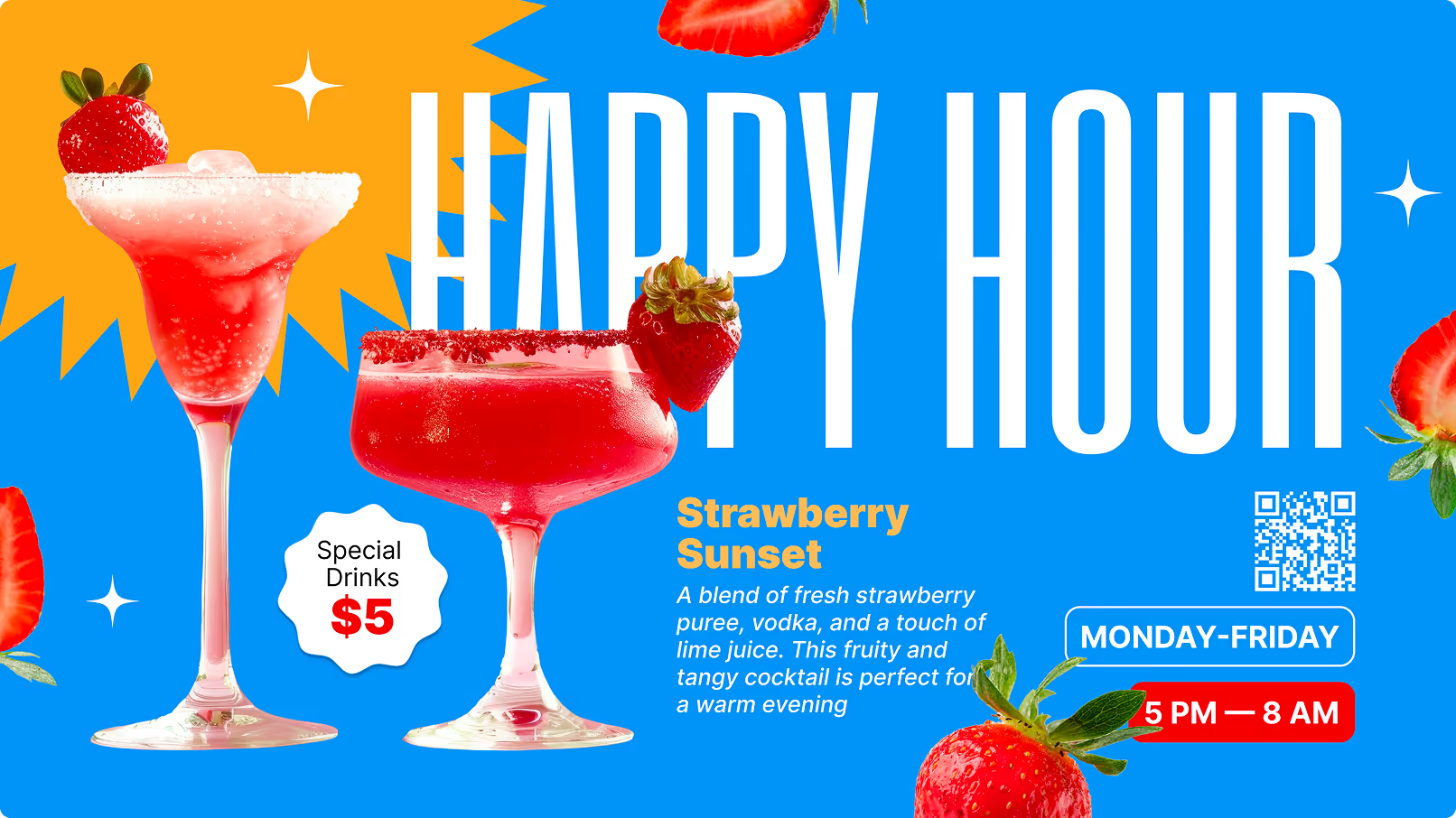
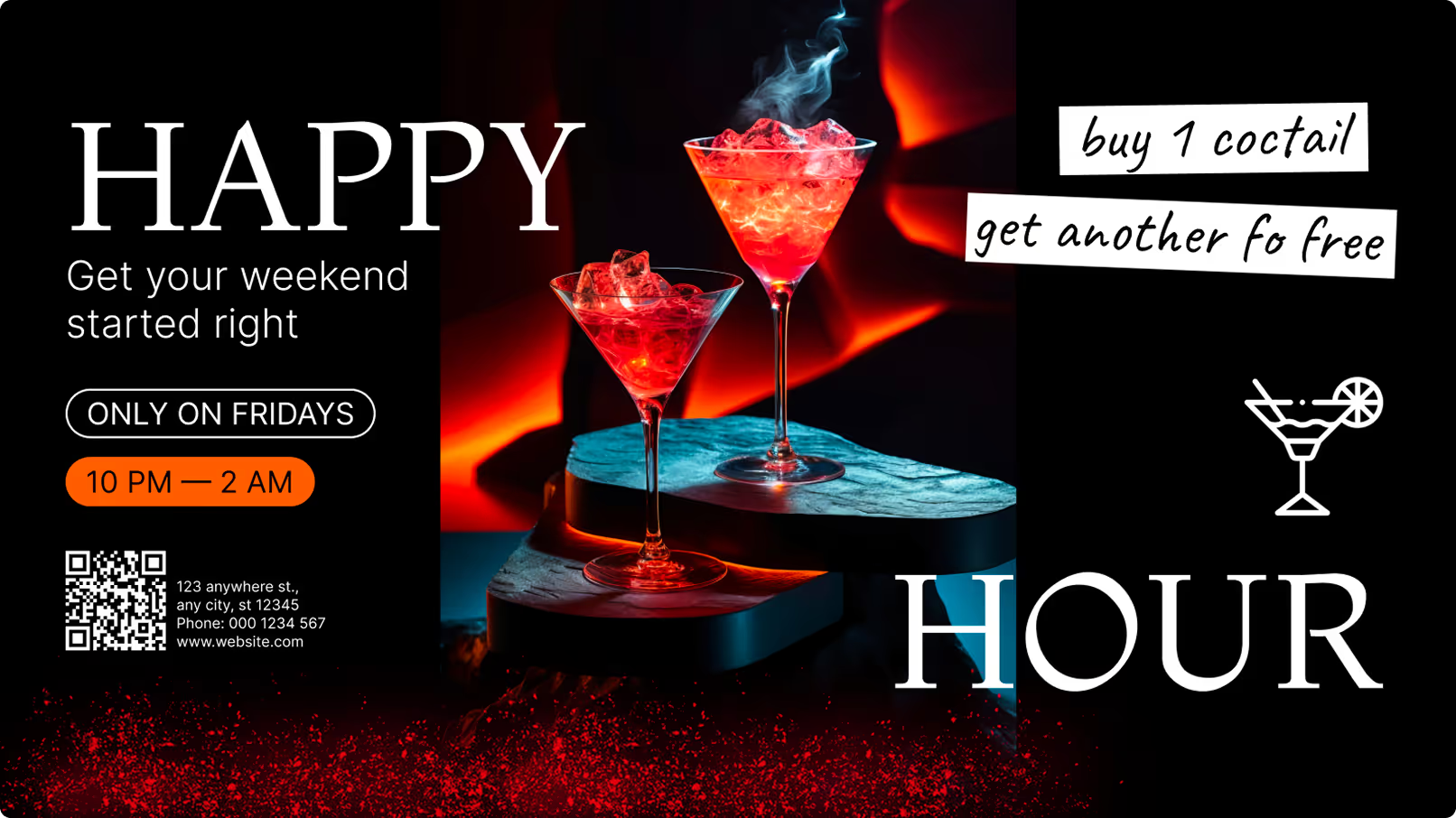
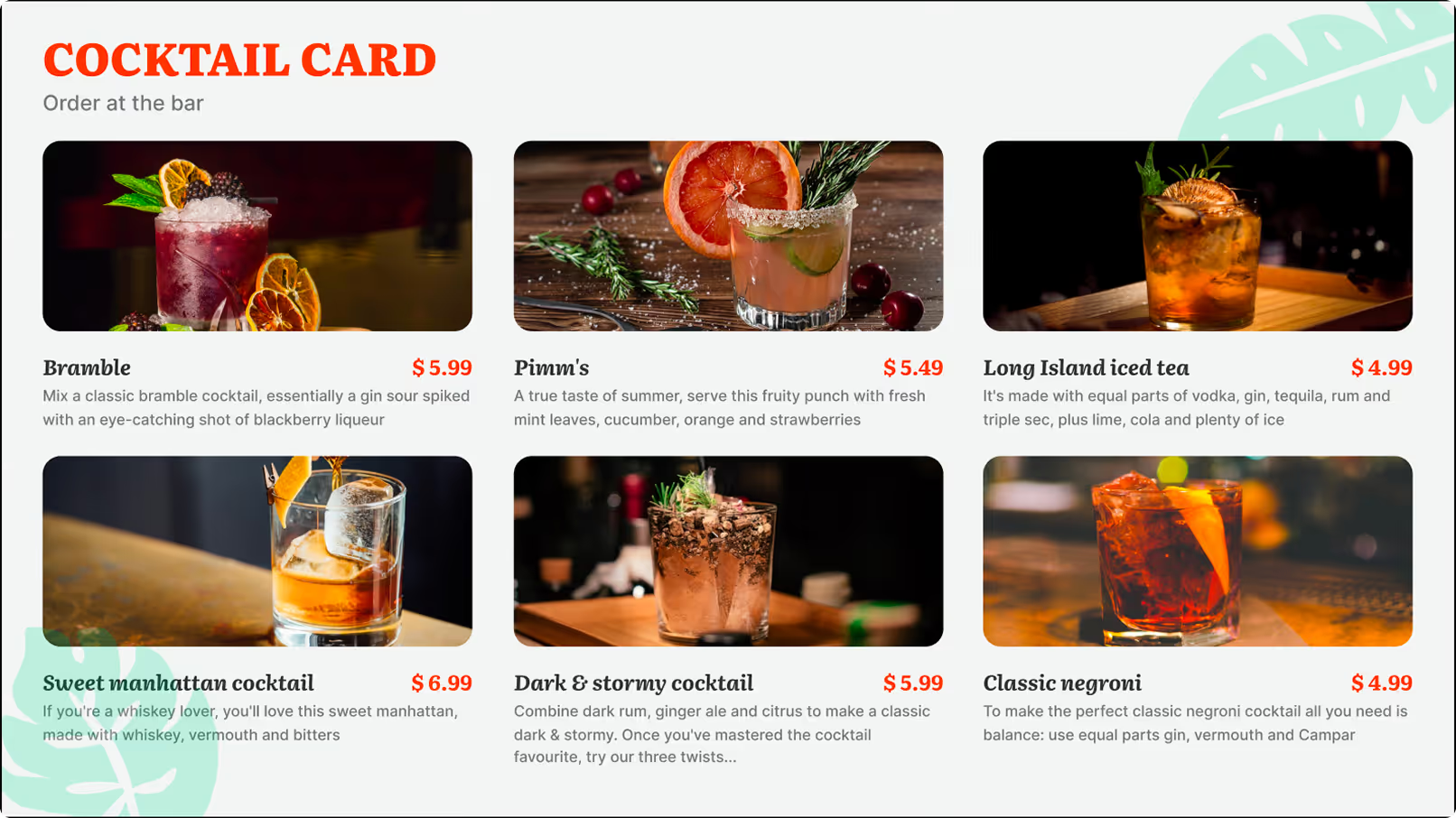
Use templates for cocktail menus, rotating tap lists, and happy hour blocks, then apply brand colors and pricing in minutes. You can also keep one template family consistent across locations while adapting individual offers by venue.




Try Look digital signage for free

No credit card required

100% of features, no trial limitations

Fast human support 24/7